The Season
From the Glorious Twelfth to the depths of winter.
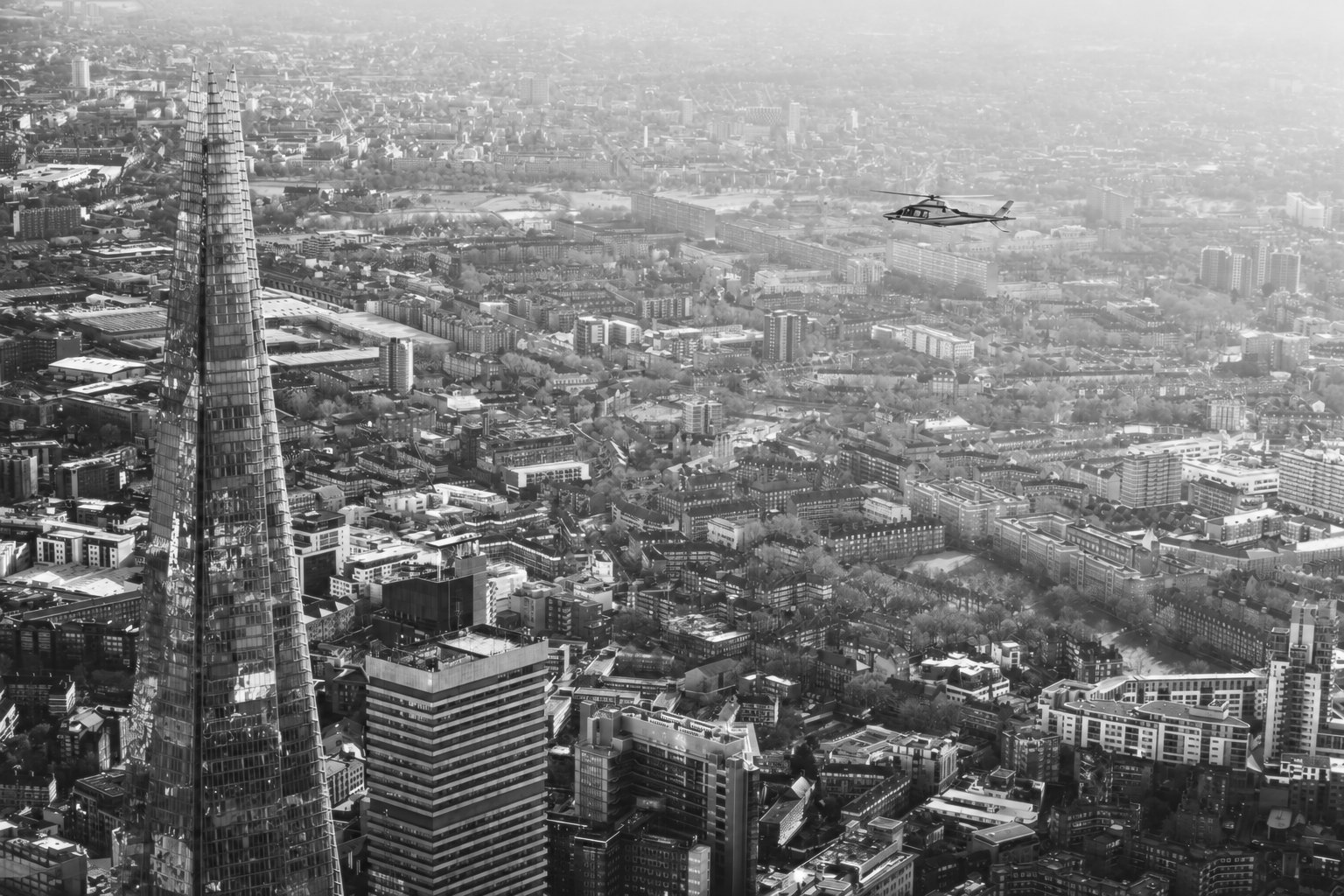
The finest shooting days are rarely beside a major airport. Private aviation can turn a day of road transfers into a morning's flight.
Britain's shooting calendar opens with the Glorious Twelfth on the grouse moors, moves through partridge, pheasant and wildfowl, and runs deep into winter. The finest days are rarely beside a major airport: they are on Pennine moorland, in the glens of Perthshire and Deeside, across the downs of Hampshire and the estates of Norfolk.
That is where private aviation earns its place. A long-range jet from abroad, a light jet or turboprop to the nearest suitable airfield, and a helicopter for the final leg can turn a day of road transfers into a morning's flight. This guide sets out when each quarry is in season, where the sport is, and how to reach it by air.
The Calendar
The season at a glance.
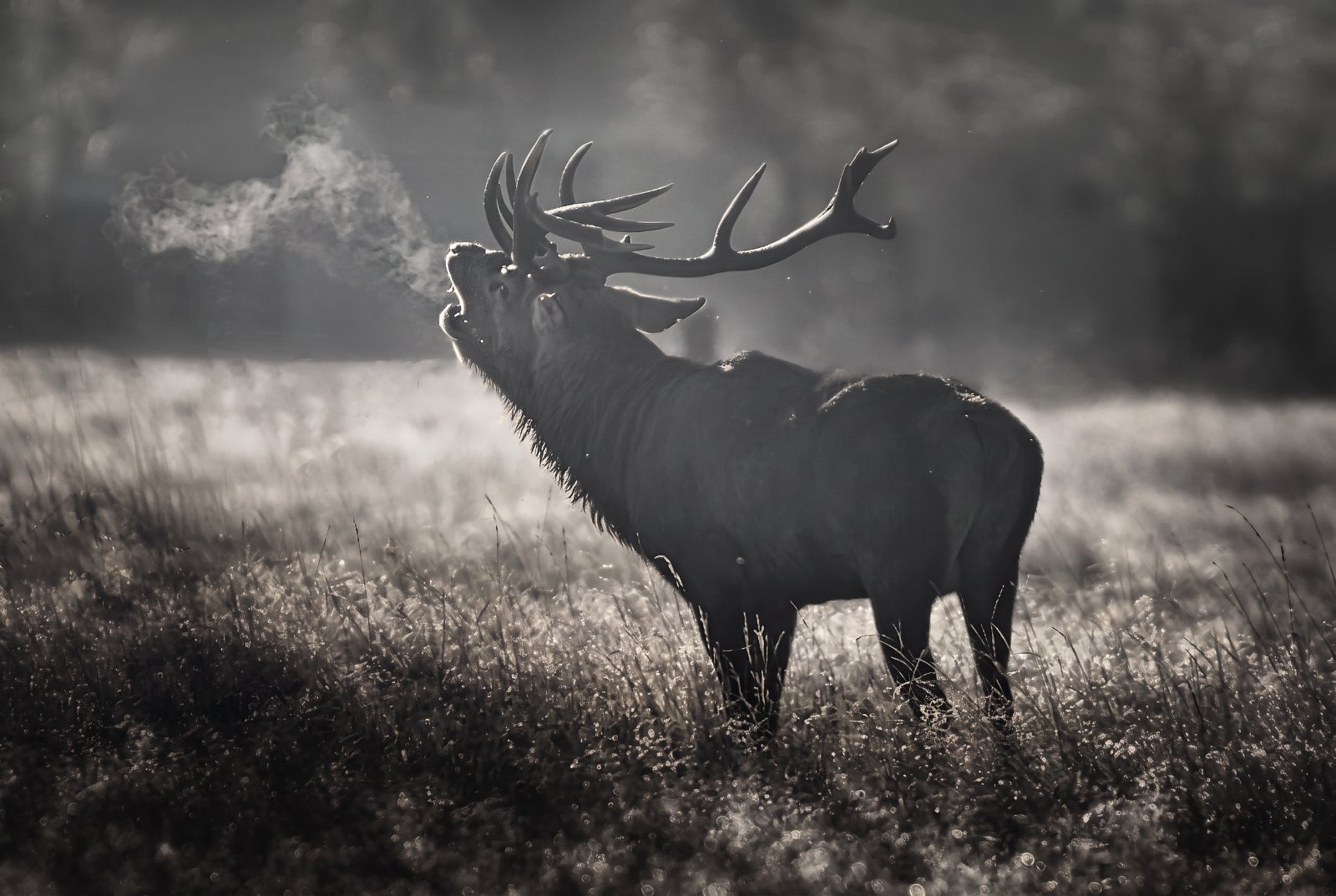
Statutory open seasons for game birds and wildfowl, and the separate calendar for deer stalking, with dates inclusive.
The statutory open seasons below apply in England, Wales and Scotland.
- Grouse: 12 August to 10 December
- Partridge: 1 September to 1 February
- Pheasant: 1 October to 1 February
- Snipe: 12 August to 31 January
- Woodcock: 1 October to 31 January (Scotland: from 1 September)
- Duck and goose, inland: 1 September to 31 January
- Duck and goose, below the high water mark: 1 September to 20 February
- Golden plover: 1 September to 31 January
Deer stalking follows its own calendar, and Scotland differs from England and Wales.
- Red stags: England and Wales, 1 August to 30 April; Scotland, 1 July to 20 October
- Red hinds: England and Wales, 1 November to 31 March; Scotland, 21 October to 15 February
- Fallow bucks: England and Wales, 1 August to 30 April; Scotland, 1 August to 30 April
- Fallow does: England and Wales, 1 November to 31 March; Scotland, 21 October to 15 February
- Roe bucks: England and Wales, 1 April to 31 October; Scotland, 1 April to 20 October
- Roe does: England and Wales, 1 November to 31 March; Scotland, 21 October to 31 March
Sika follow the same pattern as red deer. Chinese water deer are stalked in England from 1 November to 31 March, and muntjac have no statutory close season.
Two practical points. No game may be shot in England and Wales on a Sunday or Christmas Day. And these dates are legal outer limits: most estates run shorter programmes, and Northern Ireland has separate dates to confirm before planning.
Sporting Regions
Where the sport is, and how to reach it.
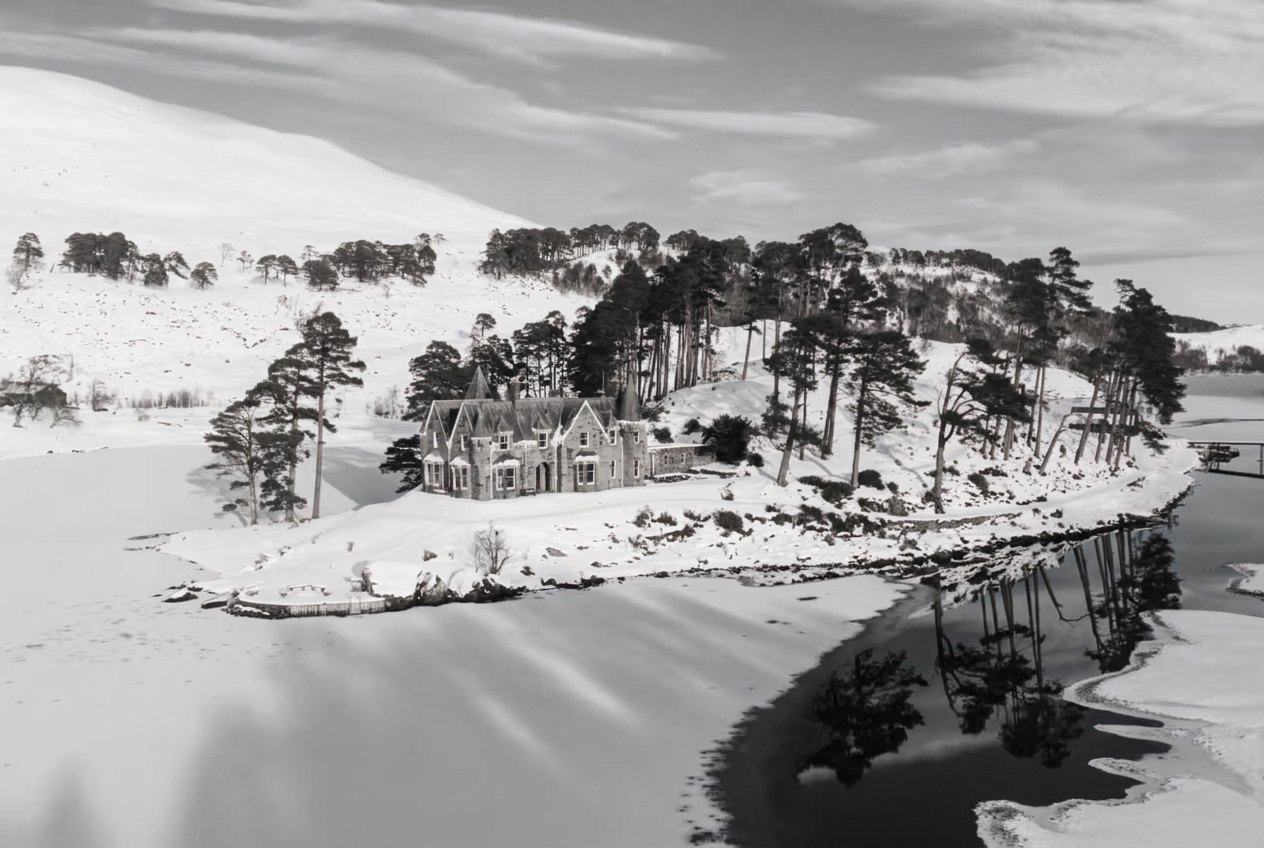
Each of the main shooting regions, with its closest airports and the most practical helicopter option.
Airports are listed for jets and turboprops; helicopter legs are flown to an estate landing site agreed in advance with the landowner.
Scotland
Grouse, pheasant, partridge, woodcock and red deer across the Highlands, Speyside, Deeside, Perthshire, the Angus Glens and the Borders. Closest airports are Inverness (INV), Aberdeen (ABZ), Edinburgh (EDI) and Dundee (DND), with Newcastle (NCL) also serving the Borders. Helicopters make a short hop from the airport to the lodge, typically well under an hour, or fly direct from London with a fuel stop.
Northern England and the Midlands
Grouse, pheasant and partridge across Northumberland, the North Pennines, the Yorkshire Dales, the North York Moors, the Cotswolds and Oxfordshire. Closest airports are Newcastle (NCL), Teesside (MME), Leeds Bradford (LBA), Manchester (MAN) for the western Pennines, London Oxford (OXF) and Birmingham (BHX). Helicopters fly direct from London: roughly forty minutes to the Cotswolds, an hour and a half to Yorkshire, and about two hours to Northumberland.
Southern England
Pheasant, partridge, wildfowl and Chinese water deer across East Anglia, Hampshire, Wiltshire, Dorset, Sussex and the West Country. Closest airports are Norwich (NWI), Cambridge (CBG), London Stansted (STN), Farnborough (FAB), Southampton (SOU), Bournemouth (BOH), Bristol (BRS) and Exeter (EXT). Direct helicopter from London takes well under an hour to Hampshire and the south coast, and roughly an hour to East Anglia.
Wales
Pheasant, partridge and duck. The closest airport is Cardiff (CWL), with the helicopter positioned from there.
Helicopter times are indicative and depend on aircraft type, routing, weather and fuel.
Helicopter Routes
Interior helicopter routes and heliports.
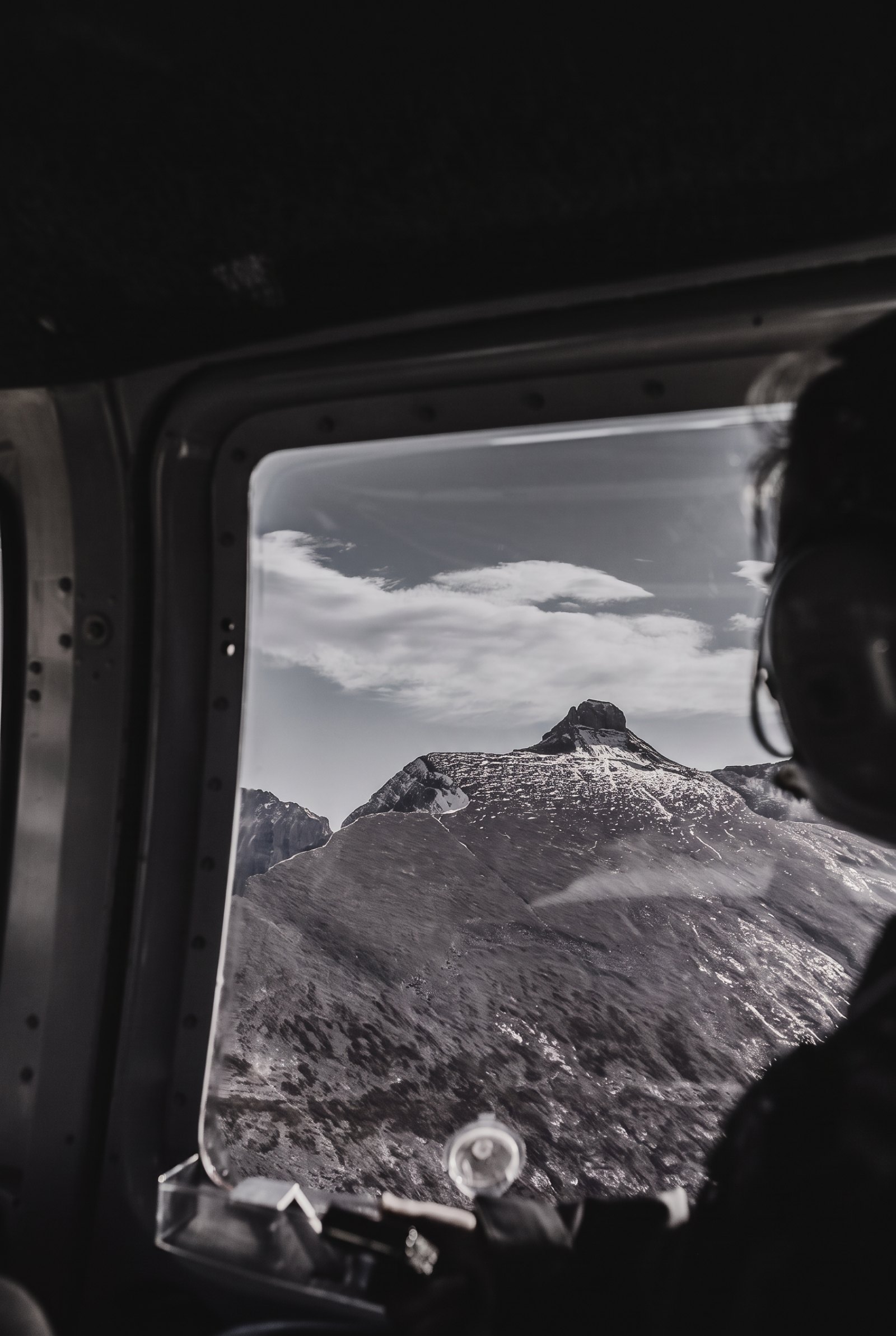
From Battersea in the south to the transfer points of the north, the helicopter removes the final road leg.
In the south, the starting point is the London Heliport at Battersea, the capital's only CAA-licensed heliport. Its published transfer times are about ten minutes to Heathrow and Biggin Hill, twenty to Farnborough, and twenty-two to London Oxford and Stansted; Goodwood and the Hampshire and Sussex estates are under thirty-five minutes away. Landing slots must be booked in advance, and only approved pilots may use it.
Beyond the capital, helicopters do not need licensed heliports. With the landowner's consent, an aircraft can set down at the estate itself, removing the final road leg. On longer northern routes, the usual pattern is to fly the long sector by fixed-wing aircraft and finish by helicopter.
- Aberdeen has a substantial helicopter operation alongside its main runway, with several private helipads nearby, making it a natural transfer point for Deeside and the north-east glens.
- Inverness is the principal gateway to the Highlands and Speyside, with dedicated business aviation handling at the airport.
- Perth Airport at Scone is a general aviation airfield with no scheduled flights. It suits light aircraft and helicopters rather than larger jets, and it has fixed opening hours, so timings need confirming in advance.
Flying straight from London to a northern estate by helicopter means long distances: Yorkshire is about an hour and a half, Northumberland around two hours, and Perthshire or the Highlands more, usually with a fuel stop. Flying north by jet and finishing by helicopter is generally faster and more comfortable.
Interior Flights
North by jet from London.
The fastest way into the northern moors and glens is a domestic jet sector from a London business aviation airport.
Typical flight times from the London area:
- Norwich: around forty minutes
- Leeds Bradford: under an hour
- Newcastle: about an hour
- Edinburgh: around an hour and a quarter
- Inverness: about an hour and a half
Times are indicative. Inverness and Aberdeen require advance slot coordination, and smaller airfields such as Perth Scone do not suit most jets.
Arriving From Abroad
Clearing customs close to the estate.
For guests flying in from North America, the Middle East or Europe, the aim is to avoid a London stop and land as near to the sport as possible.
Long-range aircraft can reach Edinburgh, Aberdeen and Inverness directly, and Inverness has customs and immigration on site. A sensible rule of thumb for international arrivals:
- Scotland and the Highlands: Edinburgh, Aberdeen or Inverness
- Northern England and the Borders: Newcastle, Leeds Bradford or Manchester
- East Anglia: London Stansted, Cambridge or Norwich
- Hampshire, Sussex and the south coast: Farnborough, Biggin Hill or Southampton
- Cotswolds and the Midlands: London Oxford or Birmingham
Customs availability, opening hours and slot requirements vary by airport and change over time, so confirm them for each trip, along with the advance notification required for private arrivals from overseas.
Guests bringing their own guns need a visitor's permit from the UK police, arranged well ahead of travel. Many estates lend guns, which is often simpler; transport of firearms by private aircraft should be agreed with the operator and handler in advance.
The Oryx Perspective
The right place on the right date.
No single aircraft suits every leg of a sporting journey; chartering allows each to be matched to the day.
The shooting season rewards precision: the right place on the right date, with guests arriving rested and on time. Chartering fits naturally, because no single aircraft suits every leg. A large-cabin jet for the long international sector, a light jet into a regional airport and a helicopter for the last few miles can each be matched to the day, with customs, slots, estate landing permissions and ground transport coordinated around the guest. Oryx Global Aviation plans the whole route from first call to final landing.
Season dates are statutory outer limits; most estates run shorter programmes, and Northern Ireland dates should be confirmed separately. Flight and helicopter times are indicative and depend on aircraft type, routing, weather and fuel. Customs, opening hours and slot requirements vary by airport and change over time.