Formula 1 returns to the Las Vegas Strip from 19 to 21 November, with the race on Saturday night, the 21st. It is round twenty-one of the 2026 calendar, and the temporary street circuit measures 6.201 km with 17 turns and a straight of around 1.9 km past the Strip’s resort hotels. For private flyers the weekend is as much about airports, permissions and ground access as it is about the racing.
Three Airports
Three airports, three roles
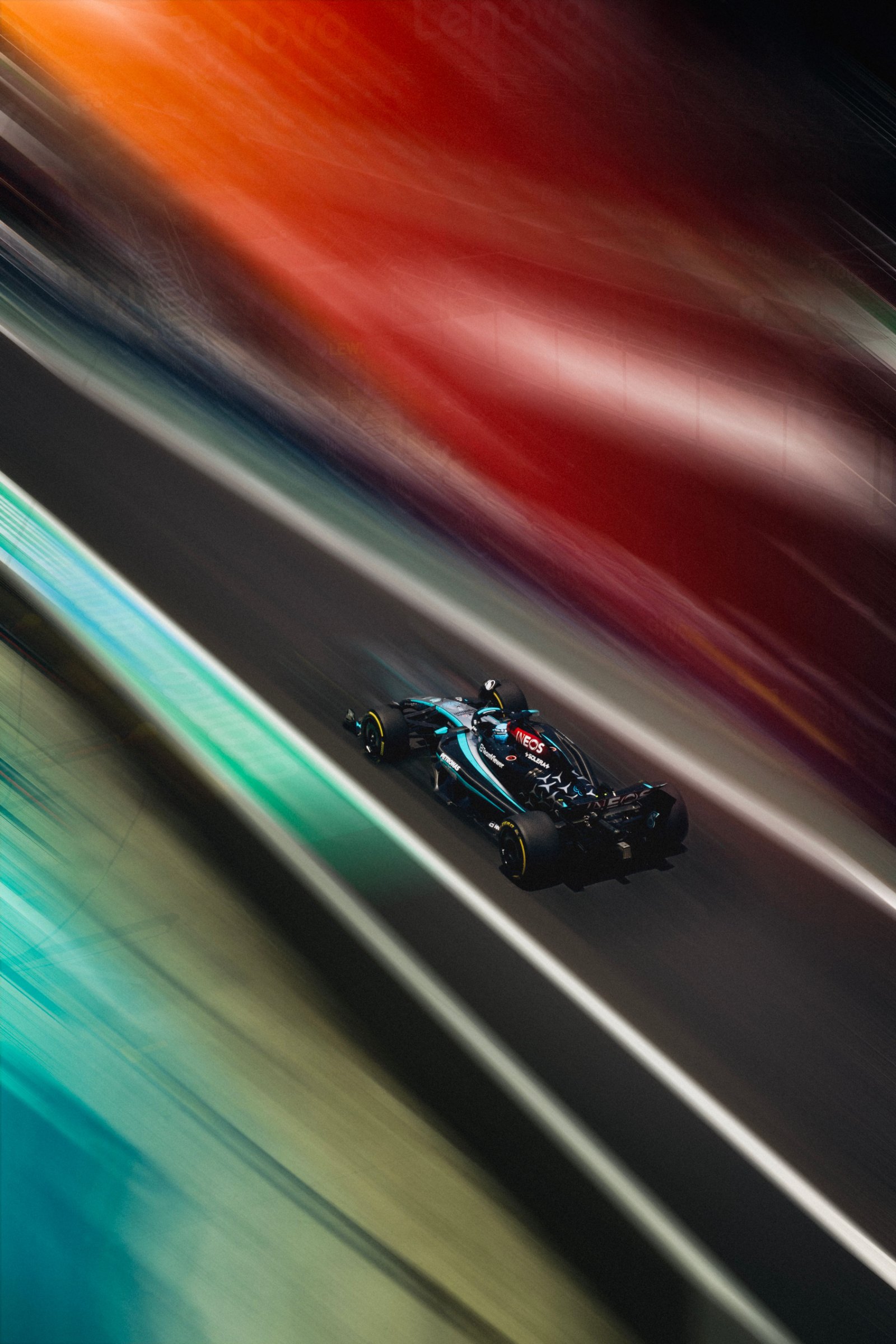
The Las Vegas valley offers three airfields for private aircraft during race week, and the right choice depends on the whole weekend: aircraft type, length of stay, where the group is staying and when it plans to leave.
Harry Reid International (KLAS)
The major gateway close to the Strip, and the busiest. Harry Reid has the longest runway of the three and the shortest transfer to a Strip hotel, but it is also the first to fill.
Henderson Executive (KHND)
A business aviation field about twelve miles south of the Strip. Henderson is built around business aviation and added 18 acres of aircraft parking in January 2025.
North Las Vegas (KVGT)
A general aviation airport with no scheduled services, around ten miles away. It offers a further option for aircraft that suit its shorter runway.
Permissions and Parking
The window opens before the race does
Henderson and North Las Vegas both operate Prior Permission Required, with the Grand Prix period published as 17 to 23 November.
A special-event fee applies over the same dates, so a Tuesday arrival or Monday departure still falls inside the window. Requests are handled first come, first served.
A departure slot programme organises instrument departures after the race, and the FAA publishes airspace restrictions for the event. Several hundred private aircraft were booked across the valley’s airfields in 2025.
Two questions are worth settling early. Can the aircraft stay for the weekend, or does it drop passengers and reposition? And if it leaves, where does it return from, and at what cost?
Choosing the Aircraft
The right cabin for the distance
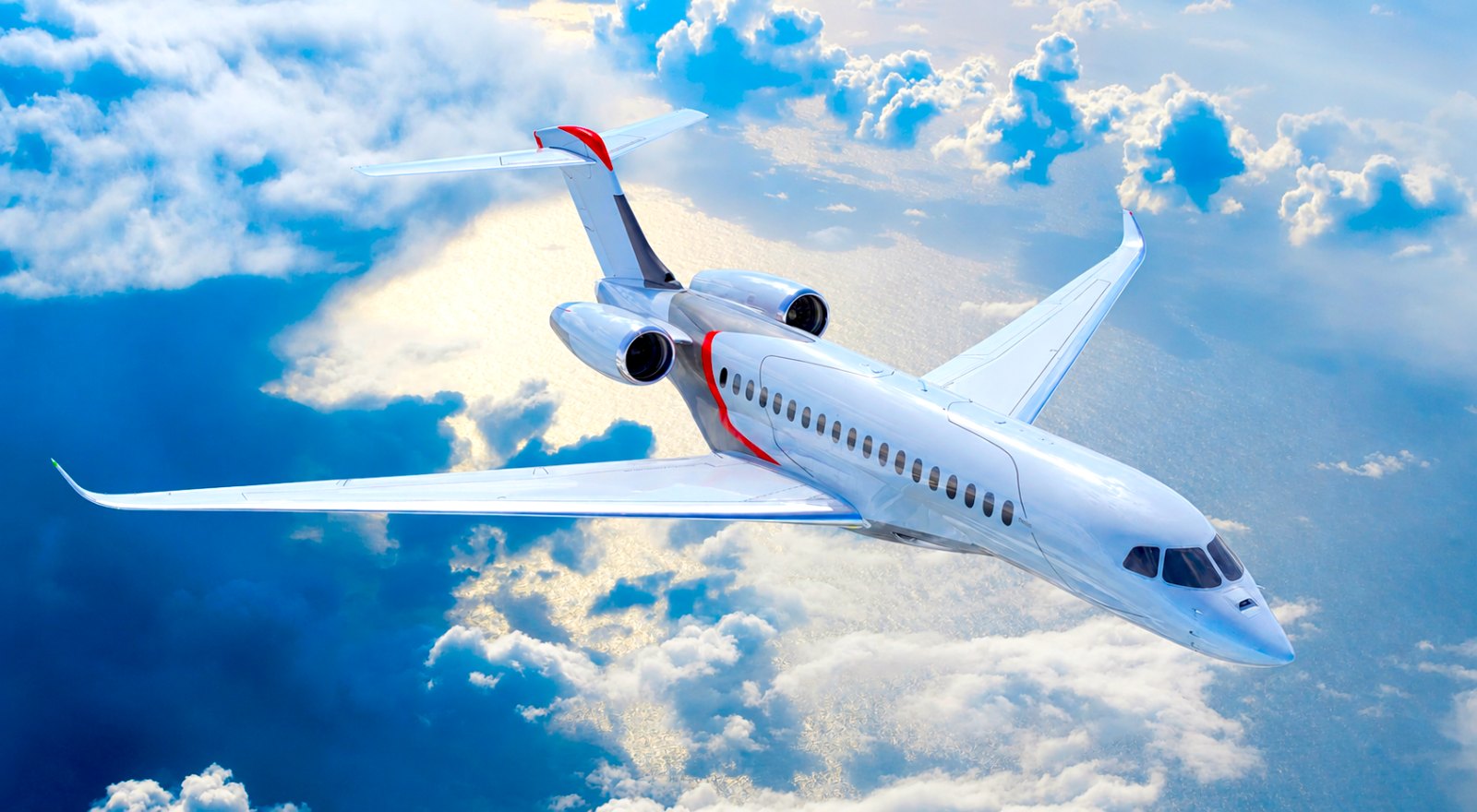
The aircraft follows the origin of the trip, and the field it must use on arrival.
From the US West Coast, a light or midsize jet suits a flight of around an hour. From the East Coast, a larger cabin is more comfortable. From Europe, an ultra-long-range aircraft can fly nonstop, with London to Las Vegas around 5,200 to 5,300 miles and a flight time of roughly 10 to 12 hours depending on aircraft, payload and winds. Aircraft without that range may need a fuel stop, often on the US East Coast.
Runway length matters at the smaller airports, so passenger numbers, baggage and fuel should be checked against the chosen field. A race weekend usually means more luggage on the way home than on the way out, and the aircraft and the ground vehicle should be sized accordingly.
The Weekend’s Clock
A race that ends on Sunday
Las Vegas is on Pacific time, UTC−8 in November, and the race runs late on Saturday night.
A return after midnight therefore falls on Sunday 22 November. That date should appear consistently across the flight request, the chauffeur booking and the hotel checkout.
A Sunday departure gives the weekend more room. A same-night flight is possible, but it needs an agreed reporting time and a plan for an evening that runs long.
The Last Mile
From private terminal to circuit gate
Road restrictions around the circuit change which hotel and circuit entrances vehicles can reach.
As a rough guide in normal traffic, allow 15 to 30 minutes from Harry Reid and 25 to 45 minutes from Henderson or North Las Vegas. Race-week conditions can alter that.
A good driver brief names the private terminal, the hotel entrance, the circuit gate and a specific collection point after each session. Guests should also allow time for the walk from the car to an approved entrance and through security.
Helicopter transfers are worth discussing only where the route, landing point and onward transfer are all confirmed under current event airspace rules.
Sample Itinerary
A Wednesday-to-Sunday plan
This shape leaves space for the night-time programme and avoids a rushed departure.
Wednesday 18
Arrive, check in, relaxed dinner.
Thursday 19
Meetings or leisure, evening practice.
Friday 20
Daytime flexibility, qualifying at night.
Saturday 21
Race day and hospitality.
Sunday 22
Late breakfast and departure.
The Oryx Perspective
Las Vegas rewards early planning
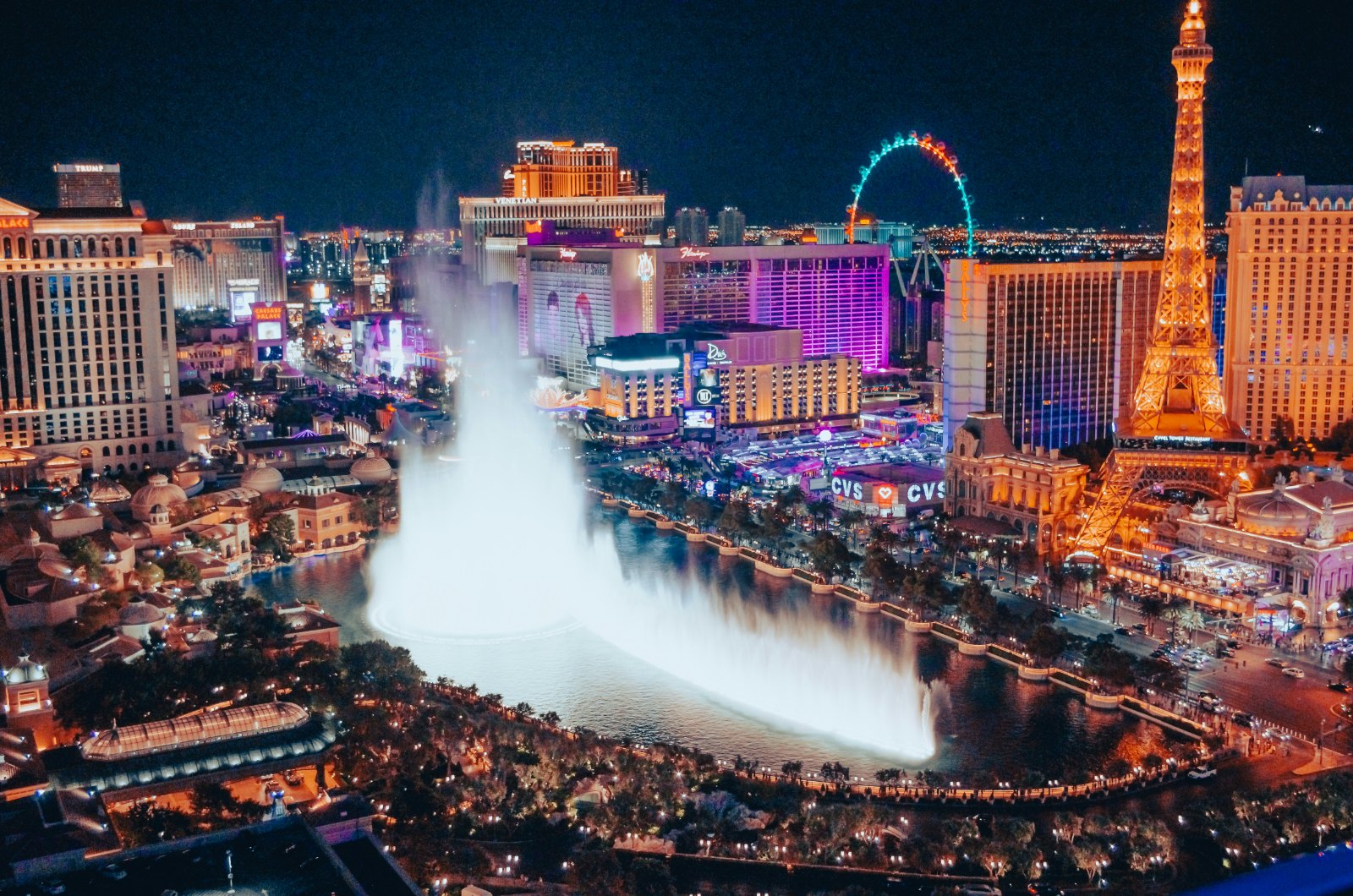
With the right aircraft, the right airport and a confirmed parking and departure plan, the weekend becomes straightforward: your own schedule, your own terminal and the freedom to enjoy the race.
Charter makes that flexibility easy. The aircraft is chosen for each itinerary, and one team looks after permissions, parking, timings and ground arrangements from departure to return. With the race less than three weeks away, the best slots are being claimed now, and Oryx is ready to help.
Fees and procedures change each year and should be confirmed with the airports and fixed base operators. Transfer times are a rough guide in normal traffic. Final timings should follow the confirmed session schedule.