The June Headline
The upper arm of the K

In early June the story was simple. Five months on, the picture is more nuanced, and for anyone actually arranging flights, the nuance is where the value is.
Jet fuel had nearly doubled since the Iran war began on 28 February, airlines were cutting flights and raising fares, Gulf hub traffic had collapsed, and yet the wealthy were still flying private to Monaco and Cannes. Economists called it the K-shaped economy. Private aviation was on the upper arm of the K.
The Numbers
Growing, but slowing
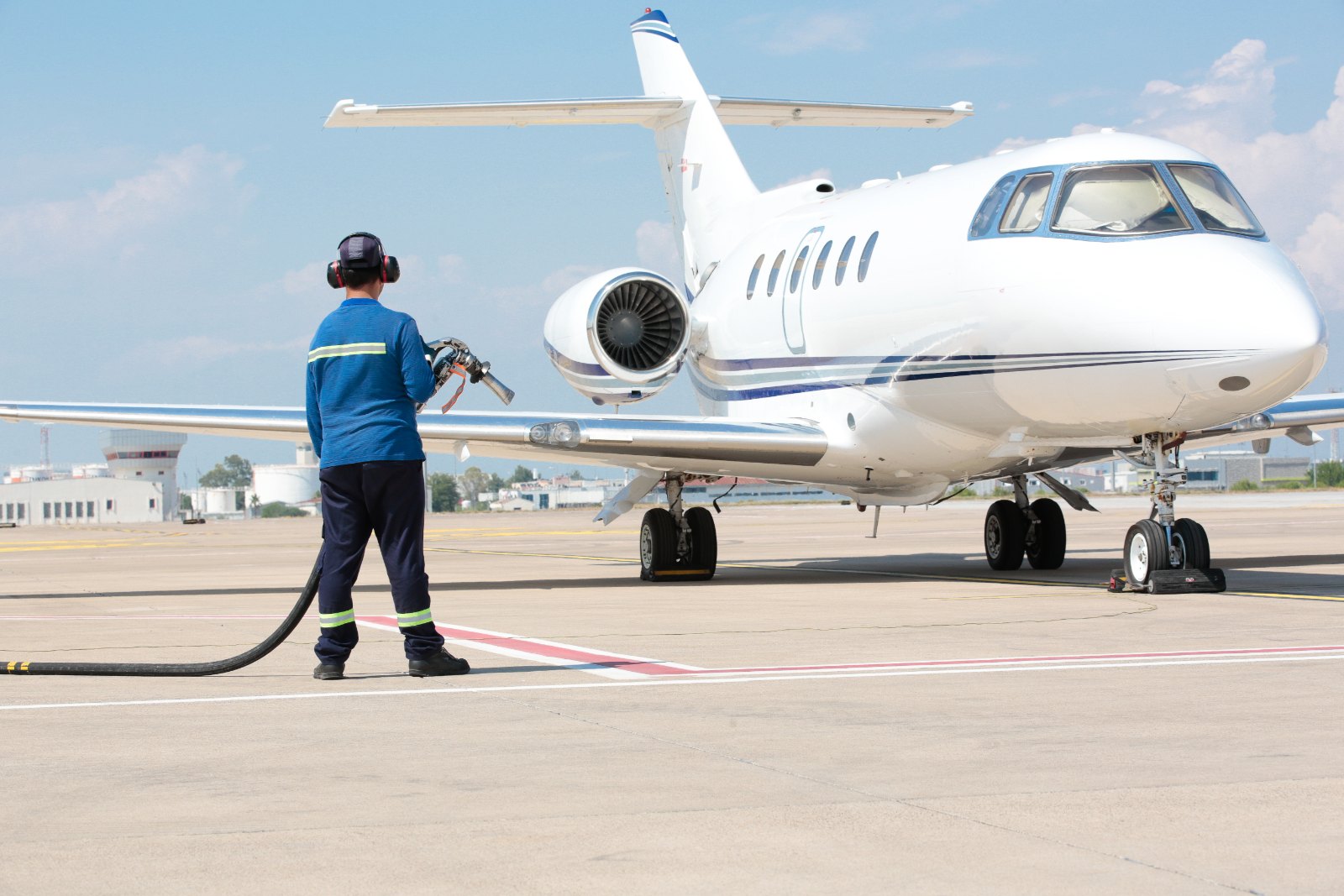
Fuel is still the story, and private flying is still growing. But momentum has faded, and the growth has a geography.
Fuel. IATA has described 2026 as a 121% global jet fuel price shock, with some markets far worse once currency is factored in. The global average was still around $180 a barrel in September, and US retail Jet-A at FBOs averaged $8.31 a gallon in August. A fragile ceasefire process since April has not brought prices back to pre-war levels.
Demand. WINGX data puts global business jet departures about 3.2% ahead of last year to late October. That is still growth while airline capacity has shrunk. But the week ending 31 October was down 2.4% year on year, the 14th down week of 2026, against just three in the whole of 2025.
Geography. North America has carried most of the growth. Europe was slightly negative across the first half and down around 2% in late October, with charter and fractional flying in Europe down roughly 4% year on year. The Middle East is still down by double digits. Africa and South America, from smaller bases, are posting some of the strongest gains in the world.
So the honest version of the June headline is this: the very top of the market has absorbed the fuel shock, but demand is not uniform, and Europe in particular is not booming.
Fuel and Quotes
What higher fuel actually means for a charter quote
The line doing the rounds in June was that a private flyer will not notice an extra €1,000 to €2,000. That is broadly true for a short European hop. It is not true for long-haul.
As a rough illustration, wholesale jet fuel has risen by something like $2 a gallon or more since late 2025. A midsize jet on a two-hour sector burns in the region of 500 gallons, so the fuel increase is around $1,000 to $1,200. A heavy long-range jet on a ten-hour sector can burn ten times that, which puts the increase well into five figures before FBO markups. On those trips, clients notice, and the quality of the quote matters.
The Opportunity
Where the opportunity sits
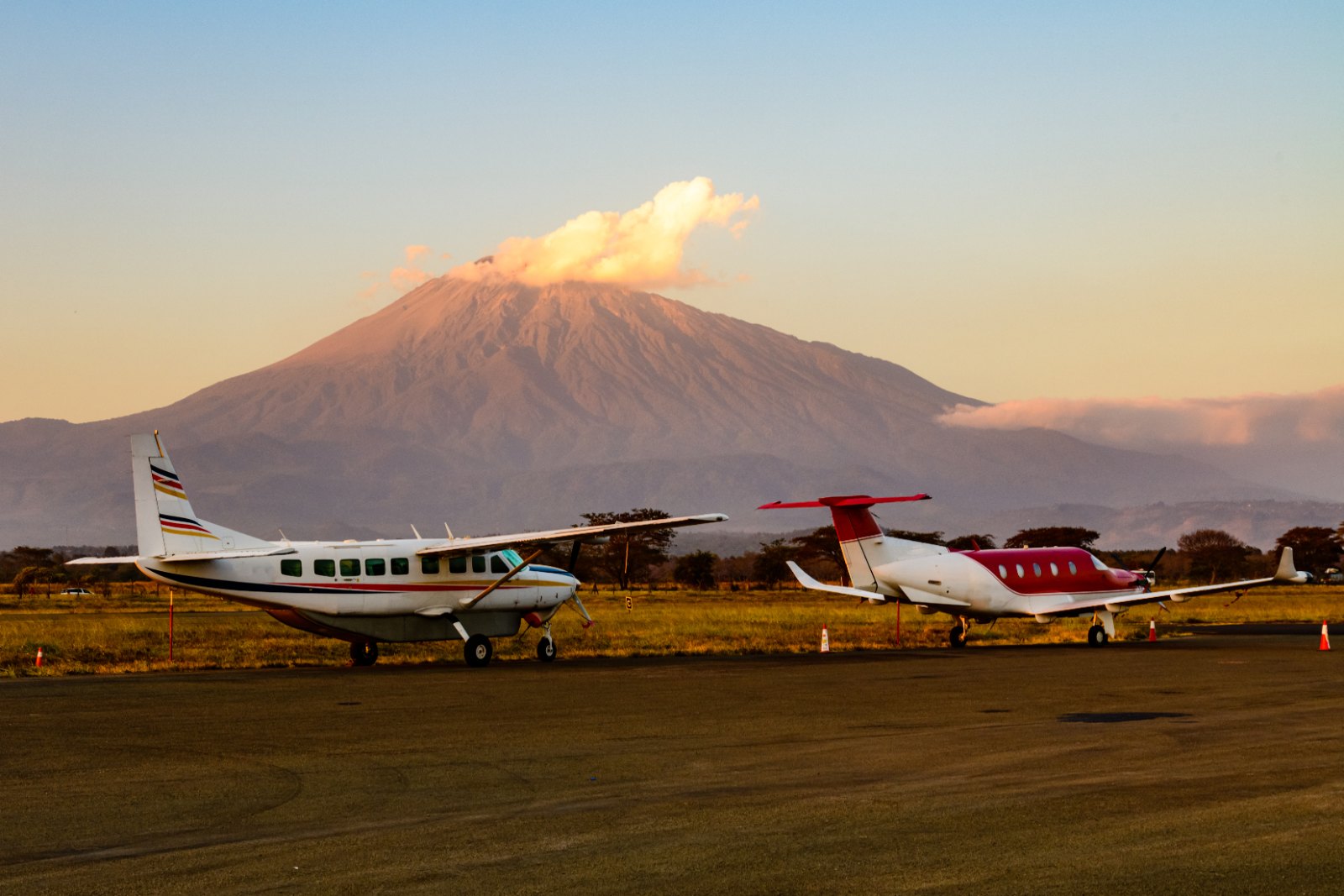
Disruption and higher costs have not closed the market; they have moved the value to particular routes, regions and kinds of trip.
Disrupted routings. With Gulf hubs running at a fraction of normal connectivity, travellers who used to connect through Dubai or Doha to Asia, Africa and the Indian Ocean have fewer good airline options. For time-critical or high-value trips, a direct private sector is often the cleanest answer.
Growth markets outside the usual corridors. Africa has been one of the few regions growing consistently this year. Europe to Africa and intra-Africa flying is where a broker with genuine global reach earns its fee.
Aircraft in the wrong place. When the conflict began, a large share of business jets leaving the Gulf repositioned to France, Greece, Italy and the UK. Displaced aircraft and higher fuel costs make operators keener than ever to fill repositioning legs, which creates value for clients with flexible timing.
Short-notice and disruption lift. When airline schedules are cut at short notice, the client who needs to be somewhere tomorrow needs a quote in hours, not days.
Our Approach
How we approach it at Oryx Global Aviation
Oryx Global Aviation is a broker, not an operator. We have no fleet to fill, which means we source from the widest possible global pool and recommend the aircraft that suits the mission rather than the one we happen to own.
In a volatile fuel market, that matters in three practical ways:
- Speed. Quotes ready to execute within hours, so prices are locked before the market moves.
- Transparency. We show clients where fuel and repositioning costs sit in the price, and how long a quote is valid, so there are no surprises at invoice.
- Vetting. Disrupted markets attract weak and opportunistic counterparties. Every operator we use is checked before a client steps on board.
The world is volatile. Getting from A to B should not be.
Fuel cost figures are indicative estimates, not quotes. Actual burn depends on aircraft, routing, winds and payload.