The Destination
A mountain town with no runway of its own.
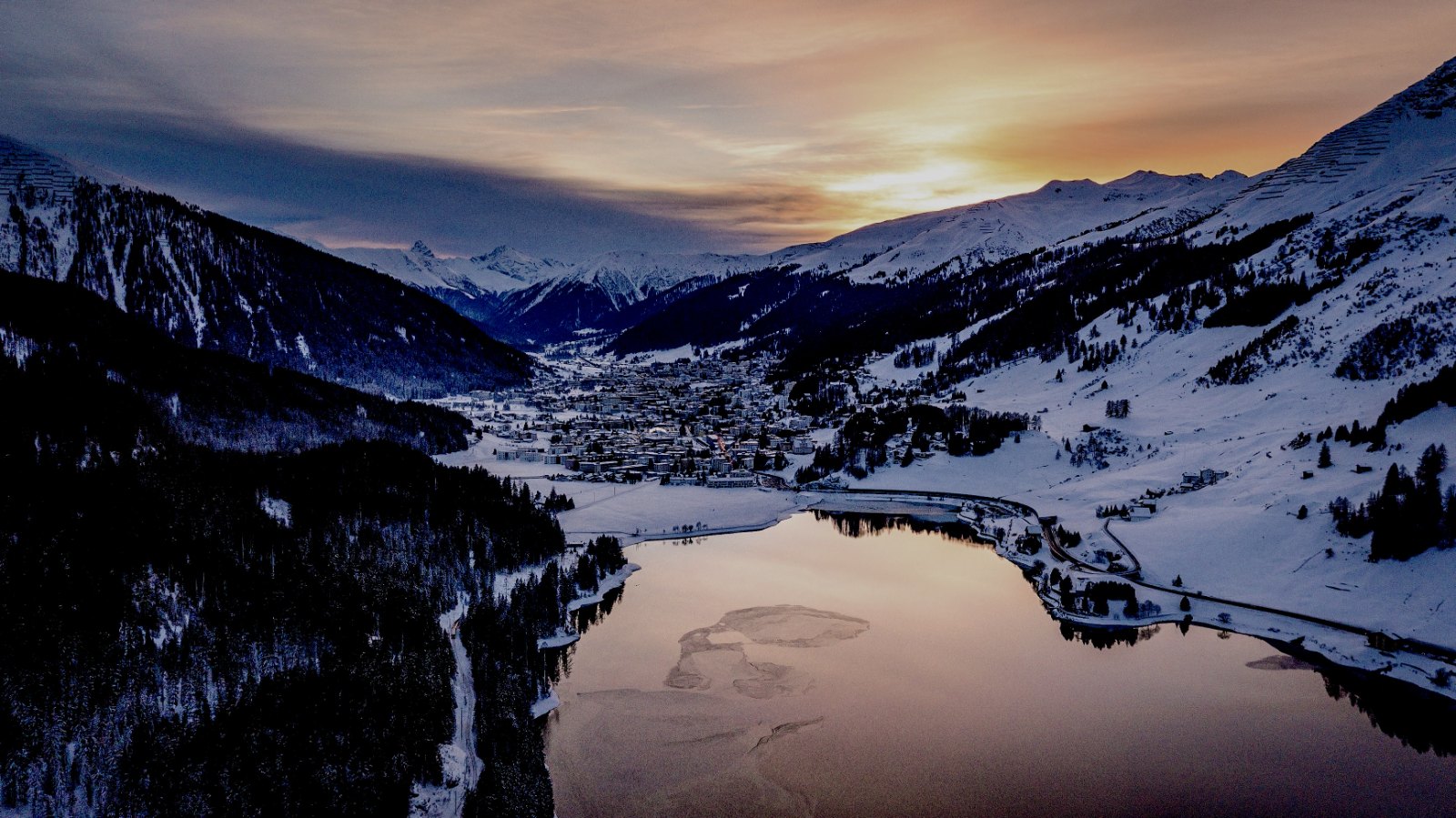
Each January, a few days in the Graubünden mountains draw some of the busiest private aviation traffic in the Alps. The World Economic Forum Annual Meeting returns to Davos from 18 to 22 January 2027, with around 3,000 leaders from business, government and civil society expected. For those travelling by private aircraft, the quality of the journey depends on preparation made well before the event.
Davos sits at altitude, with no airport of its own. Every route in involves a final leg by road or helicopter, so the choice of airfield shapes the whole itinerary. Each option offers a different balance of distance, capacity and resilience.
The Gateways
Four airfields, each with its own balance.
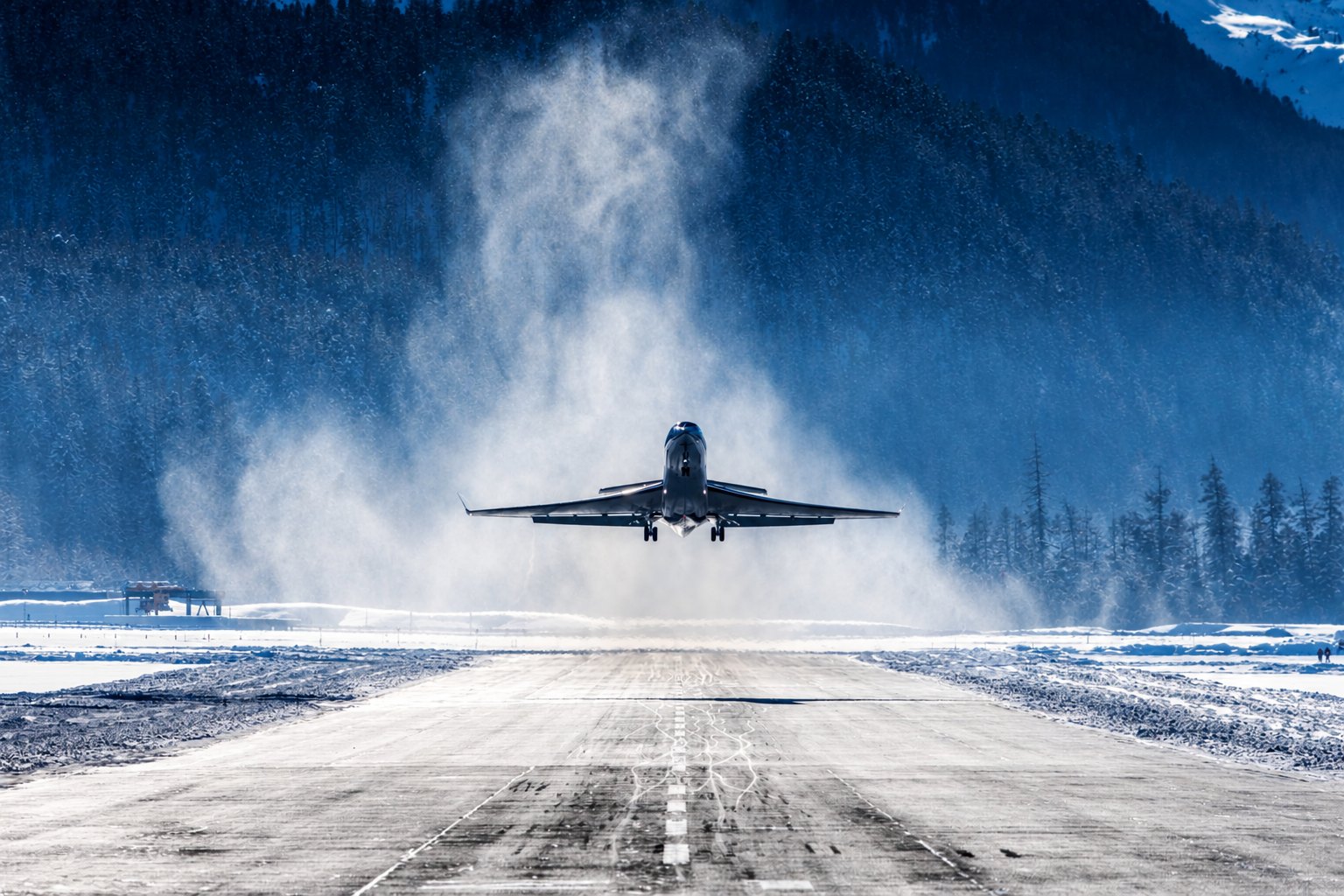
From the flexibility of Zurich to the proximity of Samedan, the right arrival point depends on the aircraft, the schedule and the weather.
Zurich
The most commonly used gateway, around 150 km from Davos, with the widest operational flexibility and a strong record of reliability. The road transfer takes roughly two hours; a helicopter transfer to the Stilli helipad in Davos takes about 30 minutes. International passengers must clear customs and immigration before boarding the helicopter.
Samedan
Also known as Engadin Airport, Samedan is the closest option at roughly 65 to 70 km. It is dedicated to private aviation, which makes it an attractive choice. It is also among the highest airports in Europe, so weather and operating conditions need to be assessed carefully, with a contingency plan alongside.
St. Gallen-Altenrhein
Altenrhein lies around 120 km from Davos, on the shore of Lake Constance. It offers a more relaxed operating environment and works well as either a primary arrival point or a considered alternative when the larger airfields are busy. Friedrichshafen, across the lake in Germany, serves a similar purpose at around 150 km.
Dübendorf
A Swiss Air Force base close to Zurich, Dübendorf has also been used for traffic around the Forum. Availability is subject to approval and operational conditions, which makes early coordination essential.
Slots and Parking
Where parking often decides the plan.
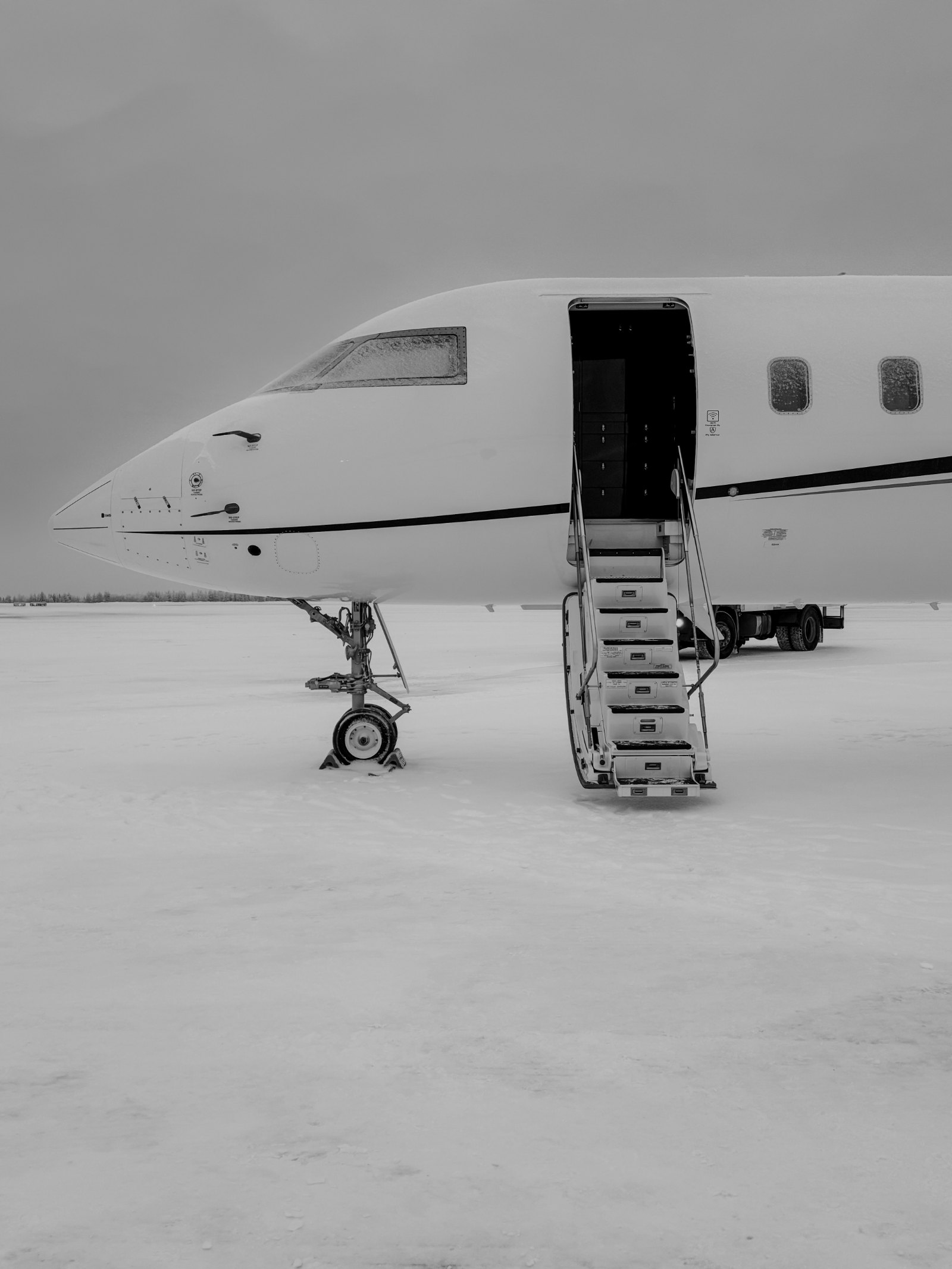
Demand for landing slots and aircraft parking rises sharply during Forum week, most noticeably at Zurich and Samedan.
Parking restrictions often decide the plan. Where space is limited, aircraft may drop passengers and reposition to another airfield, returning on a set schedule. A well-built plan covers arrival and departure slots, parking or repositioning, and a fallback airfield, all agreed in advance.
The Alpine Transfer
The last leg deserves the same attention as the flight.
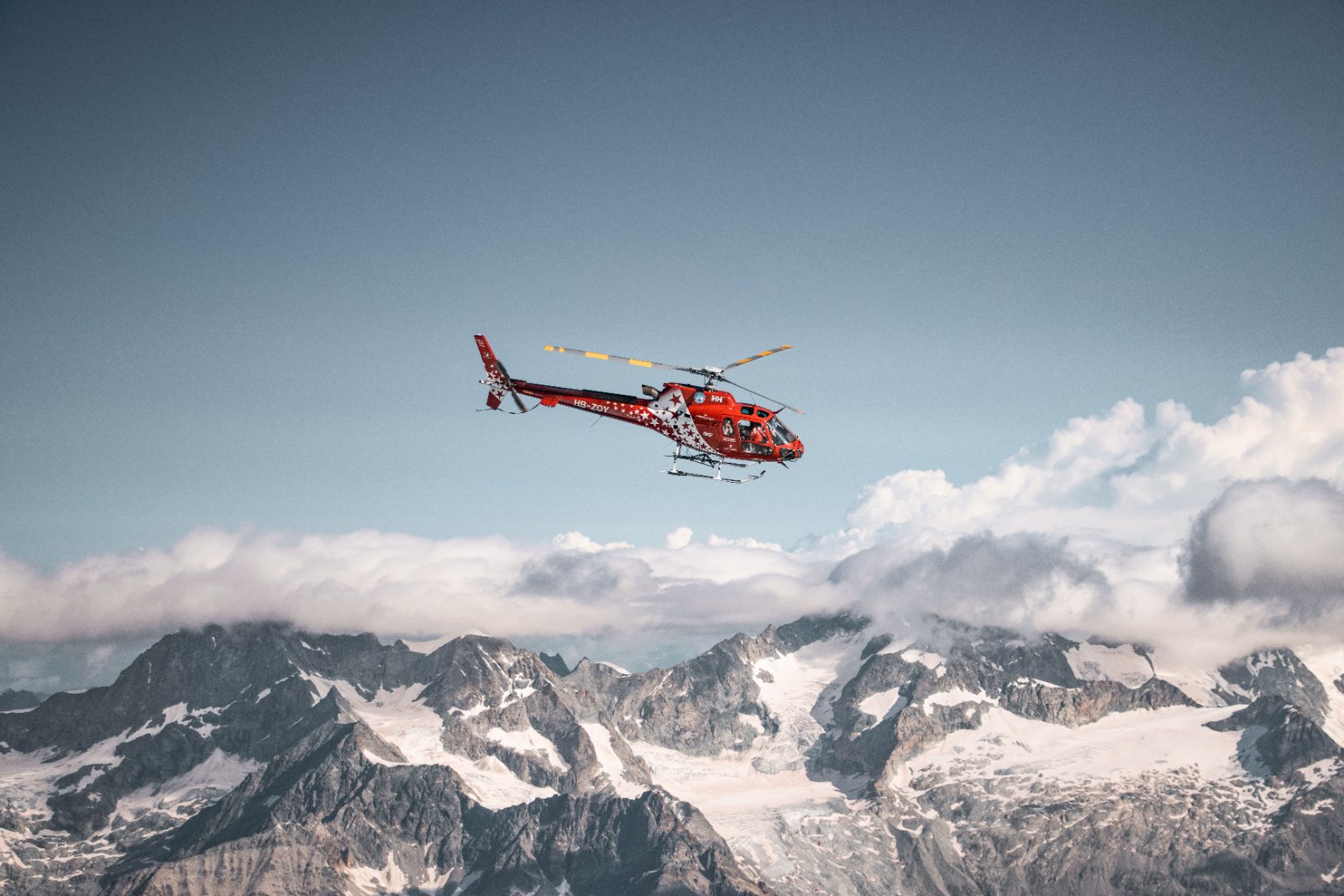
Road or helicopter, the final stage into Davos is where timing and conditions matter most.
Road transfers run through mountain terrain in winter conditions, while helicopters offer a faster alternative subject to weather and permissions. Aligning aircraft arrival, customs clearance and onward transfer keeps the journey seamless.
The Oryx Perspective
Davos rewards early planning.
Chartering gives travellers the freedom to match the aircraft, airfield and transfer to each itinerary.
Whether that means a direct arrival at Samedan, a flexible plan through Zurich or Altenrhein, or a helicopter connection to the Promenade, Oryx Global Aviation coordinates each element, so the journey is as considered as the meetings it serves.
Access to Forum events is arranged separately and is subject to invitation or ticket availability.