Private flying in Europe, the UK and the Gulf runs on a different set of rules from the United States. For travellers who know the American system well, the differences are worth understanding before the first flight is booked. Charter is the simplest way to manage them.
A Different System
Europe adds layers, and rewards planning

Where American private flying is largely a matter of aircraft and departure time, Europe brings national authorities, congested airports and shared airspace into the picture.
In the United States, private flying is largely a matter of choosing an aircraft and a departure time. Europe adds layers: national aviation authorities, congested airports and shared airspace, each with its own requirements. None of this is an obstacle. It simply rewards planning, and it explains why European trips are best organised by people who handle them daily.
Right Aircraft
The right aircraft in the right place
The aircraft that crosses the Atlantic is not always the one that can carry its passengers onward.
An aircraft that crosses the Atlantic is not always the one that can carry its passengers onward. Under European rules, commercial flights between two points within the EU are generally reserved for EU-licensed operators. The UK applies a similar principle to domestic charter, and several Middle Eastern states restrict internal flights to local carriers.
The practical answer is a locally licensed aircraft, positioned where the journey needs it. Travellers keep whatever arrangement they prefer for the ocean crossing, and a regional aircraft takes over once they land.
Slots and Airspace
Capacity is managed at the airport and across the continent
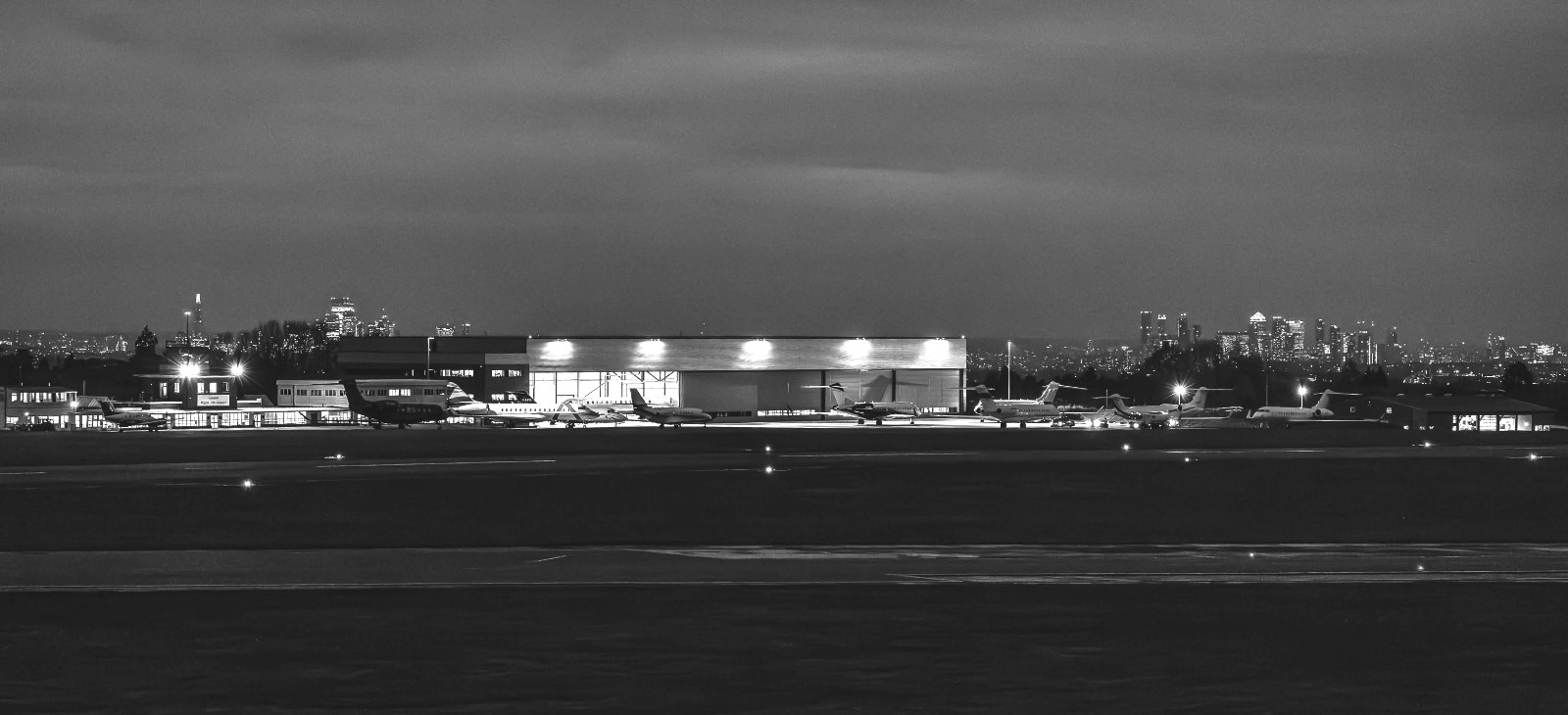
Slot-coordinated airports and continent-wide flow management mean a well-built itinerary allows for both.
Several of Europe's most popular airports coordinate arrivals and departures through slots. London's business aviation airfields, including Farnborough and Biggin Hill, operate within fixed hours and movement limits, which tighten at weekends. Event weekends on the Riviera and the first Saturdays of the ski season test capacity at every airport in the region.
On top of this, Eurocontrol manages traffic flow across the continent and can assign departure times to individual flights, even when the departure airport is quiet. A well-built itinerary allows for both.
Permits
Permits and lead times depend on who flies, and where
The requirements turn on the operator's nationality and the destination, and lead times vary widely.
The requirements depend on who operates the aircraft and where it is going.
- United Kingdom. A non-UK operator needs a Foreign Carrier Permit from the Civil Aviation Authority for each charter flight. The permit office works on weekdays, so complete paperwork should be lodged several working days ahead. A UK-licensed operator does not need one.
- Europe. Operators from outside Europe need the correct approvals to fly commercially into the region. Within Europe, European operators generally move between countries without a permit for each flight.
- Middle East. Most states require a landing permit, with lead times that vary by country and are often longer for charter. Weekends fall on different days across the region, so a request sent late in the week can lose time. Changes to routing may call for a fresh approval.
At Oryx, permits are built into the plan from the outset, so the schedule a client agrees to is one that can be flown.
Weather and Terrain
Each region has its own seasonal rhythm

From northern fog to Alpine snow and Gulf heat, sensible alternates chosen in advance keep conditions manageable.
Fog and low cloud can close northern airports for a morning in autumn and winter. Alpine airfields bring snow, de-icing and demanding approaches, and some, such as Samedan and Sion, call for specially trained crews and are limited to daylight operations. Mediterranean summers bring afternoon storms and strong winds. In the Gulf, extreme summer heat reduces aircraft performance and can affect payload or range, while dust can cut visibility. Sensible alternates, chosen in advance, keep each of these manageable.
Operator Standards
Different systems, consistent checks
Third-party ratings familiar in the United States are less common in Europe, which reflects how the two systems developed rather than any difference in standards.
American travellers often ask whether an operator holds an ARGUS, Wyvern or IS-BAO rating. These third-party audits are well known in the United States. They are less common among European operators, which reflects how the two systems developed rather than any difference in standards: European commercial operators work under an Air Operator Certificate and a safety management system overseen by their national authority.
Some European operators do hold third-party ratings, and where they do, it is worth knowing. Beyond ratings, the checks that matter are consistent:
- An Air Operator Certificate that covers the aircraft and the specific flight
- Insurance that meets European requirements
- Safety record and standing in the market
- Absence from the EU Air Safety List, and the correct approvals for non-European operators
- Crew training and approvals for specialist airports
Borders in Transition
Entry requirements for Americans are still moving
The UK and the EU have both changed their entry arrangements recently, with a further EU authorisation still to come.
- UK Electronic Travel Authorisation. US citizens need an ETA before travelling to the UK. The fee rose from £16 to £20 on 8 April 2026.
- EU Entry/Exit System. The system reached full operation at Schengen external borders on 10 April 2026. Non-EU visitors are registered on first entry, including a photograph and fingerprints, and the system also tracks the 90-days-in-180 limit on short stays.
- ETIAS. The EU's travel authorisation for visa-free visitors, with a fee of €20, has no confirmed start date. The EU says it will announce one several months ahead, and it is widely expected no earlier than 2027.
The Oryx Perspective
A flight that works on paper and in practice
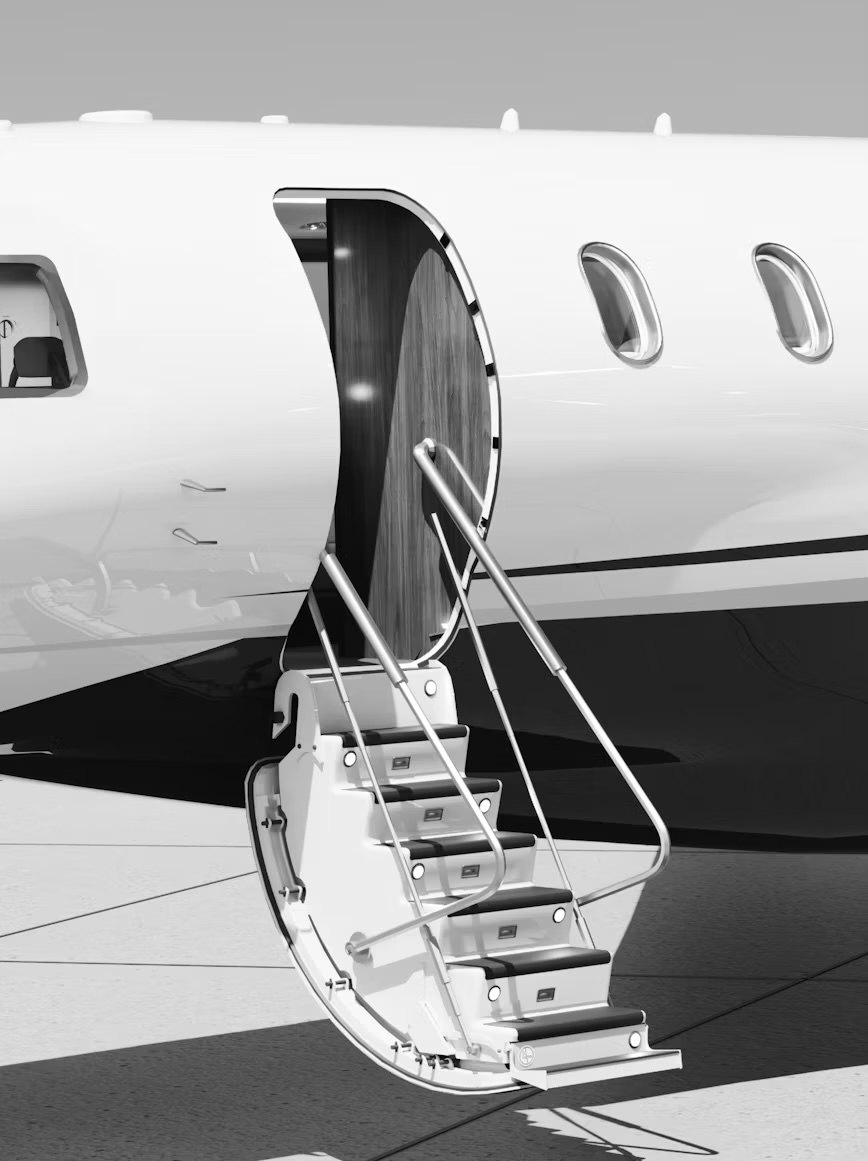
A European itinerary is rarely difficult, but it is rarely identical to a domestic one.
For American travellers, a European itinerary is rarely difficult, but it is rarely identical to a domestic one. Oryx Global Aviation brings together the aircraft, the permits, the slots and the passenger paperwork into a single plan, and stays on hand to adjust it when weather or air traffic changes the day. Whether a client needs one leg after landing or a complete journey across Europe and the Gulf, the aim is the same: a flight that works on paper and in practice.
Passenger requirements are worth confirming before departure, as dates and procedures continue to shift.