The Situation
Open, but not back to normal

The Gulf's main hubs remain open, but Saudi airports are constrained, airline schedules keep moving and routings are longer. Here is how the picture has changed since October, and what it means for anyone planning to fly privately.
Since our October briefing, the position across the region has become clearer in one respect: every major Gulf hub is open. For most journeys, the constraint is now routing time and airline schedules rather than airport closures.
That should not be mistaken for a return to normal. Reported US strikes on Iran's Qeshm Island and the Bandar Lengeh coast late on 2 November are a reminder of how quickly conditions can change, and talks through Qatar and Pakistan continue without a settled outcome.
Official guidance still shapes where it is sensible to fly. The European Union Aviation Safety Agency (EASA) advises operators not to fly in defined portions of Saudi airspace and to exercise caution across the rest of the Jeddah flight information region. A separate EASA bulletin advises avoiding overwater airspace in the Persian Gulf and Gulf of Oman, except for arrivals and departures. Both run to 16 November unless reviewed sooner.
The UK government advises against all but essential travel to Saudi Arabia and against all travel within 10 km of the Yemen border, and travelling against that advice could invalidate insurance. The US State Department advises Americans to reconsider travel. Saudi Arabia itself has not closed its airspace.
The Network
Airport by airport
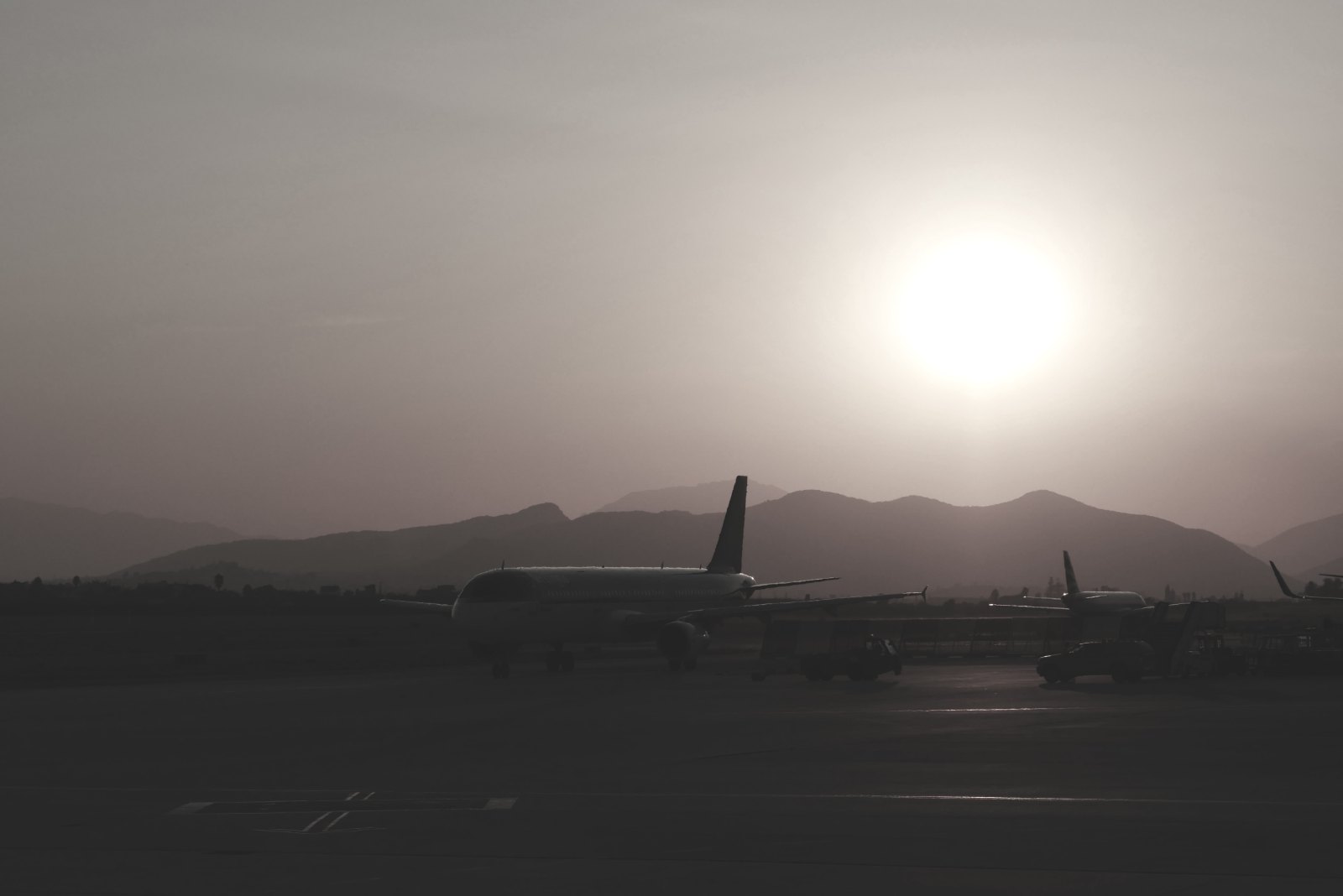
Every major hub is operating, but conditions vary from restricted access in Riyadh to normal operations in Amman.
Riyadh. King Khalid is operating with restrictions, and every movement needs prior permission from the Saudi aviation authority. Tracked business and private departures averaged about 25 a day in the week to 1 November, up from 8 the week before but still well below normal.
Qassim. Prince Naif Airport is absorbing Riyadh demand, with tracked departures rising from about 24 to 40 a day. Riyadh Air is flying London services through Qassim, with a coach transfer of around three and a half hours to the capital.
Jeddah, Dammam and Madinah. All three are open. Jeddah and Dammam are operating with delays, and private activity at both has held steady. Airports in the south, including Abha, Jazan and Najran, are the most exposed, and we are not recommending them.
The UAE, Qatar and Oman. Dubai, Abu Dhabi, Sharjah, Doha, Muscat and Salalah are operating. Expect delays rather than closures, and longer inbound routings from Europe.
Bahrain. The airport is open, with some delays and cancellations.
Kuwait. Kuwait International is open through Terminals 4 and 5, with transit suspended and Terminal 1 closed. Arrivals and departures should be treated as needing prior approval until the authorities publish otherwise.
Jordan. Amman is operating normally, and Aqaba is open as a southern alternate.
Airline plans remain fluid. British Airways was due to return to Riyadh with one daily flight from 3 November, while Lufthansa has suspended Riyadh until 18 November and Dammam until 30 November. Cathay Pacific has suspended Riyadh until 31 January 2027. Dates have moved repeatedly since early October, so any schedule should be reconfirmed on the day.
Flying Privately
Planning around the constraints
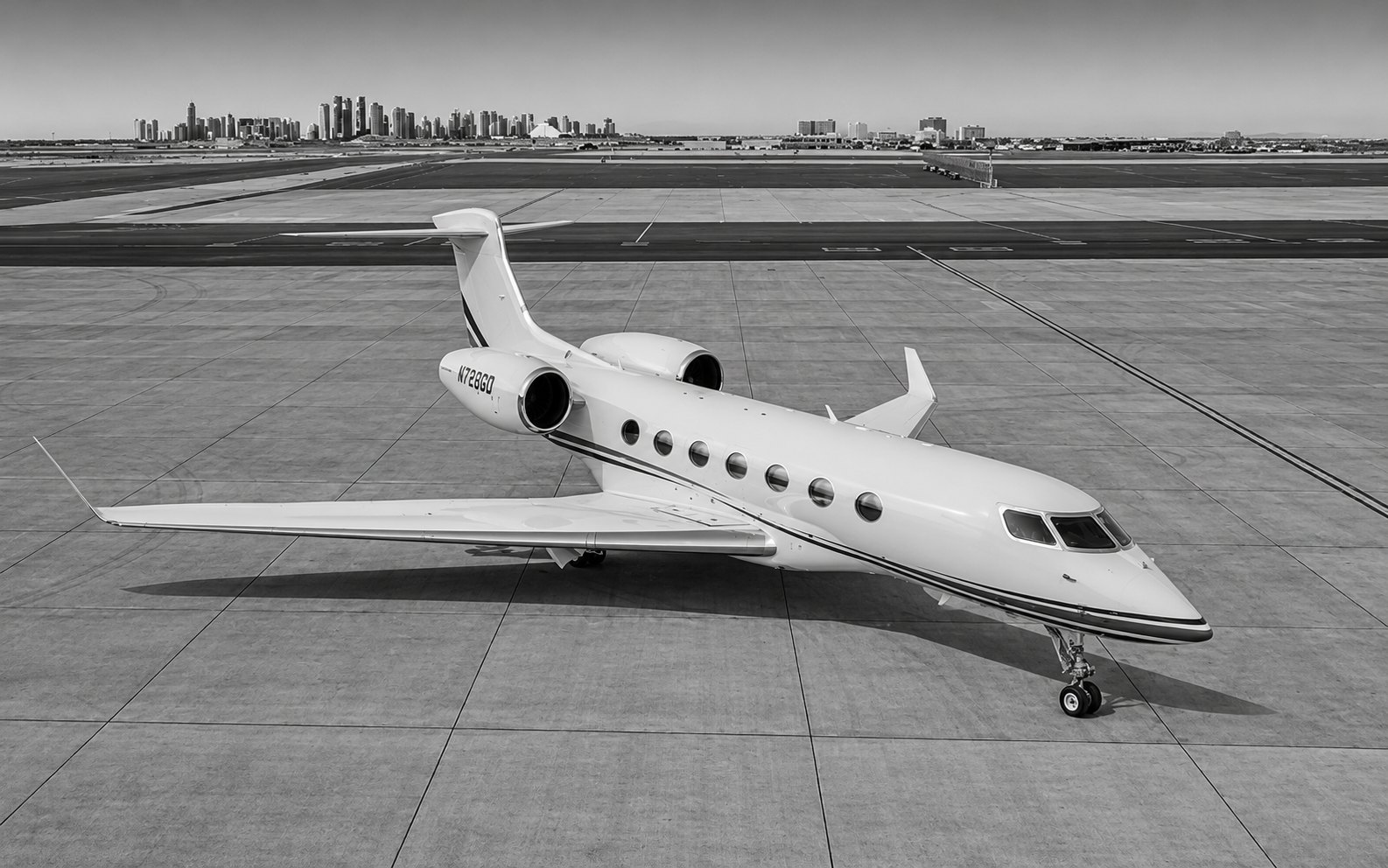
A private flight does not remove the regional picture, but it can be built around it.
Plan the routing first. Iranian airspace is closed to most Western operators, most European operators avoid Iraq, and the Gulf overwater advisory keeps Europe to Gulf traffic over land. Those choices add time, which affects aircraft range, crew duty and the choice of fuel stop.
Hold a second airport. Where a trip to Saudi Arabia is essential, a flight can be planned with Qassim, Jeddah or Madinah as an alternative to Riyadh, subject to current guidance on the day.
Look where the aircraft are. Charter capacity is not evenly spread. Of roughly 79 large-cabin and long-range jets based in Saudi Arabia, only about 16 are in charter use, compared with about 69 of 150 in the UAE and 29 of 36 in Qatar. In practice, regional lift is most often positioned from Dubai or Doha. Airline-type business jets can cover groups of more than 16.
Allow time for permissions. Riyadh requires prior permission for every movement, and Kuwait requires prior approval. Both should be built into the schedule from the start.
Be careful on the ground. Saudi rules make filming or sharing images of interceptions or impact sites a legal liability, and foreign nationals have been detained. Passengers should keep phones away in these situations.
Sound Judgement
Why it matters who arranges your flight

In a market like this, the quality of the advice matters as much as the aircraft.
Not every operator will accept Gulf sectors, and those that do should be able to explain how they have assessed the risk.
Oryx Global Aviation was founded on crisis management. As an independent broker, we source aircraft from a global pool of operators and check each routing against current regulatory guidance. If we believe a trip should not go ahead, we will tell you.
Planning Ahead
Planning travel to the region?
Whether your trip is next week or next month, we are happy to talk through your options with no obligation.
Contact the Oryx Global Aviation team to discuss your plans in confidence.
Information correct as of 3 November 2026. Tracked departure and fleet figures are indicative. Guidance, airport status and airline schedules may change at short notice.