The Perimeter
One week, a different set of rules.
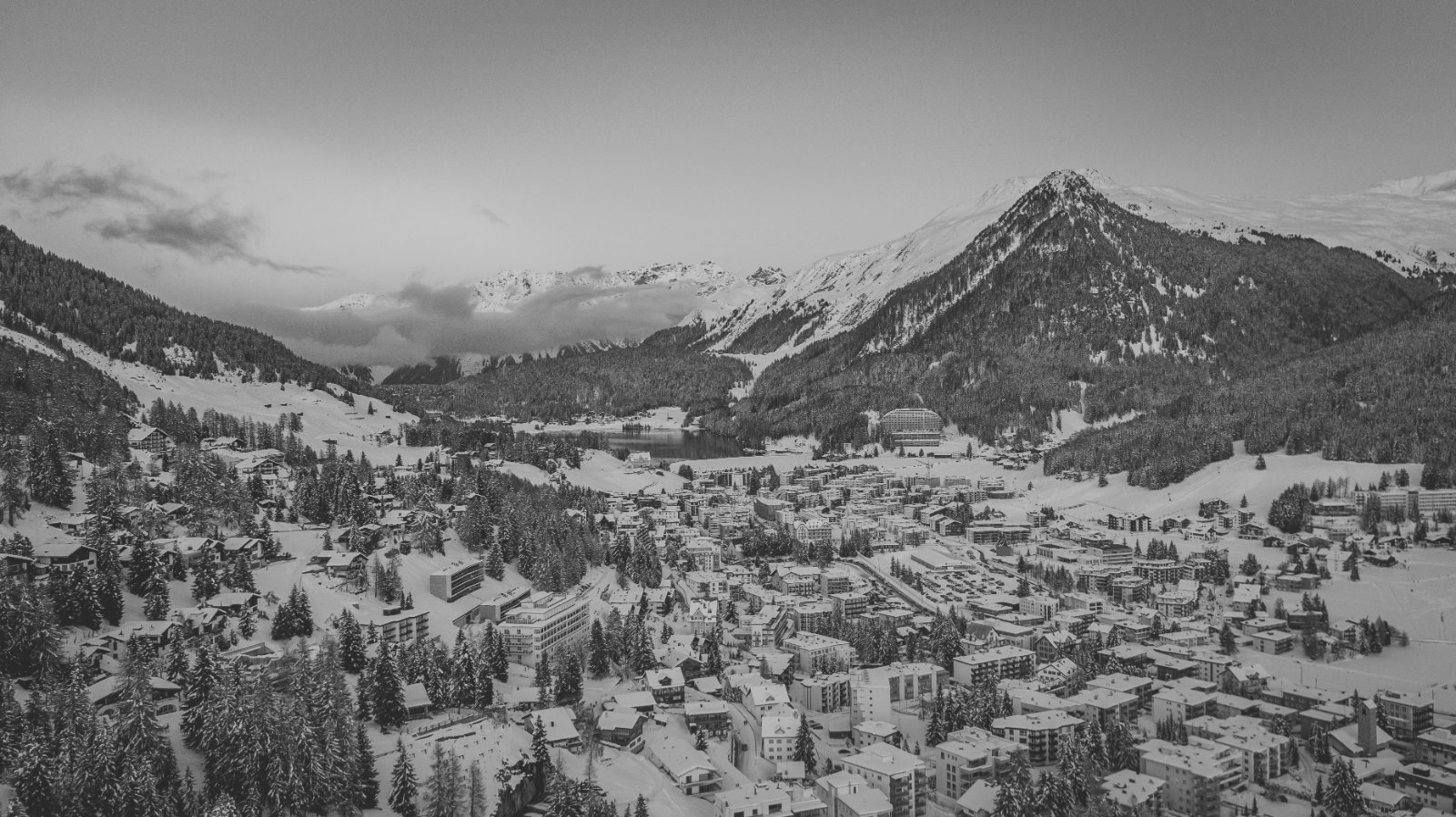
Choosing an airfield is only the start of planning a flight to Davos. When the World Economic Forum returns from 18 to 22 January 2027, it brings a security operation that reaches well beyond the town.
Air traffic is restricted within 25 nautical miles of central Davos, or about 46 km, with similar measures in the neighbouring border regions of Austria and Italy. In 2026, those limits applied for a daytime period on the Friday before the meeting, then from the Monday until the Saturday after it. The Swiss Air Force is responsible for air sovereignty, and parliament has approved up to 5,000 military personnel for the Forum through 2027.
Final details for 2027 will come through official notices. Until then, last January's framework is the best planning guide.
Samedan
The closest airfield sits inside the zone.
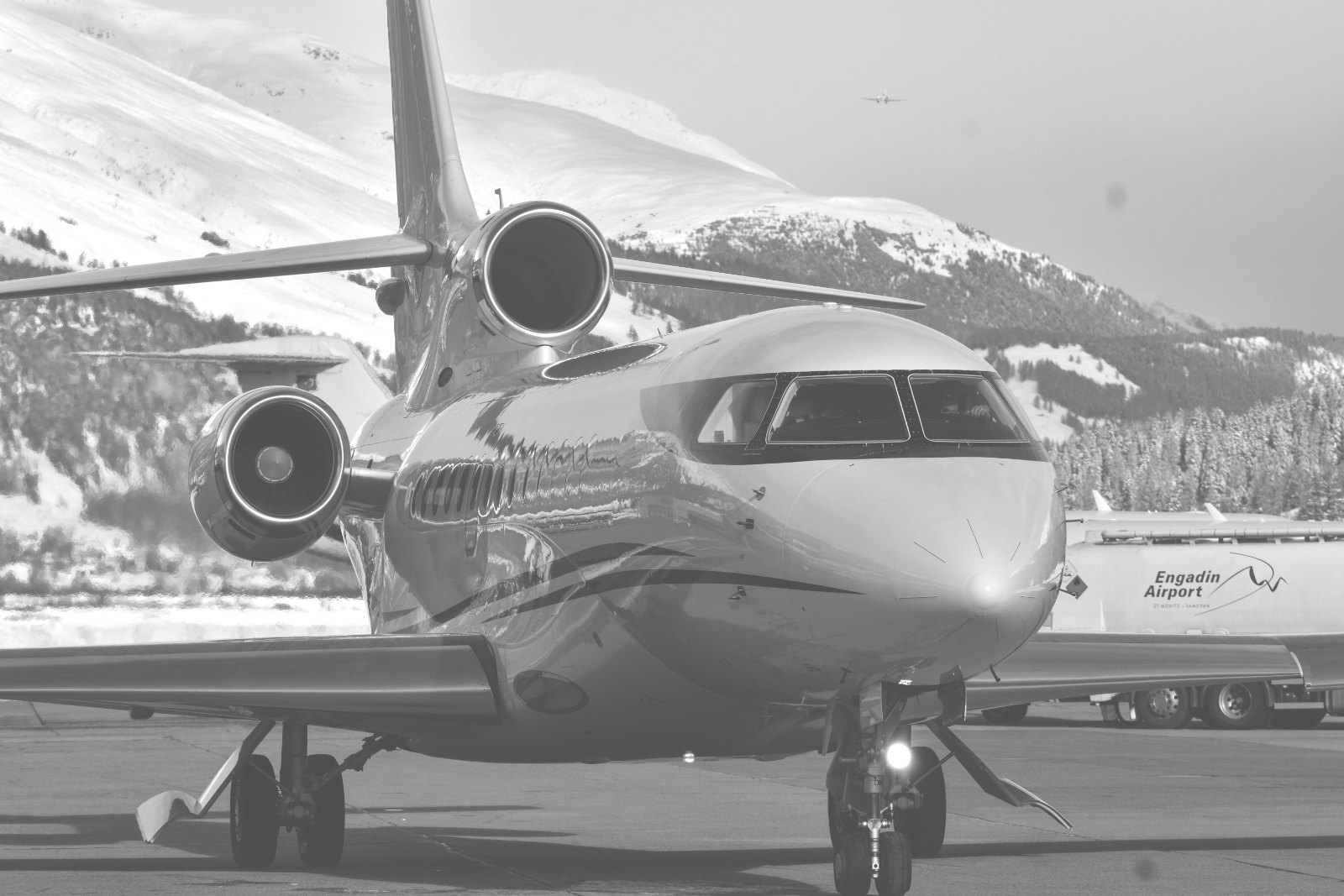
Samedan, Bad Ragaz and Balzers all lie within the restricted area, and special procedures govern every movement. In 2026, instrument flights to and from Samedan needed prior permission through Engadin Airport, with the reference entered on the flight plan.
The operating day matters too. Samedan opens at 08:00 and closes at the end of evening civil twilight, so a late finish in Davos can mean a morning departure. The airport also requires pilots to complete its own test before operating there. Crew familiarity counts for as much here as aircraft performance.
Zurich and Dübendorf
Two hours on the ground.
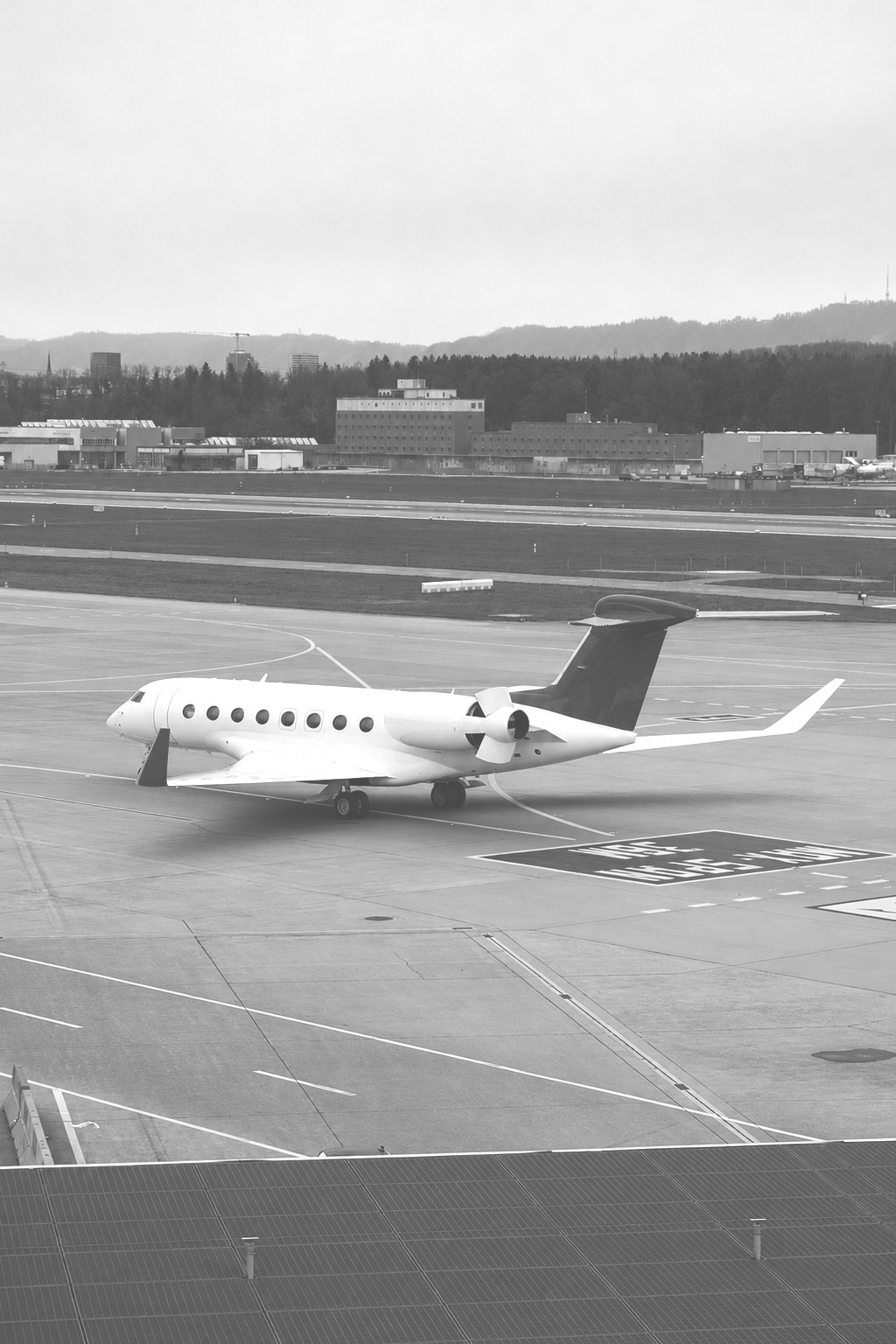
Zurich remains the main gateway, and last January the airport again expected around 1,000 additional flight movements. It describes that figure as an estimate, partly because many participants plan at short notice.
The limits are tight. In 2026, business aircraft without parking permission could stay for a maximum of two hours, and Zurich could not be used as an alternate from 16 to 24 January. Private flights operated from 06:00 to 22:00 with no overtime, so a late arrival risked diversion. The private terminal cleared up to 24 passengers through customs; larger groups used the main terminal.
Dübendorf opened to business aircraft only for passengers heading to the Forum, with prior permission required and shorter hours. Aircraft could not reposition there from Zurich or Geneva, so it had to be planned as a direct arrival and departure. Its unusually steep approach, reported at about 4.5 degrees, is also one for the operator to check against the aircraft's approvals.
The Alternates
A fallback only counts if it works.
For state flights in 2026, the Federal Office of Civil Aviation warned that parking at Zurich could not be guaranteed. It suggested Basel-Mulhouse, Friedrichshafen, Stuttgart, St. Gallen-Altenrhein, Bern and Milan-Malpensa instead, a useful reference for any itinerary.
Each comes with its own limits. St. Gallen-Altenrhein has a 4,774 ft runway and closes from 12:00 to 13:30. Friedrichshafen required neither slots nor prior permission in 2026, although aircraft could expect to reposition for longer parking.
Charter adds one further check. Aircraft not registered in the EU need a landing permit for charter flights to Switzerland or Germany, so the operator's registration should be considered early.
The Final Leg
The perimeter continues below the rotor.
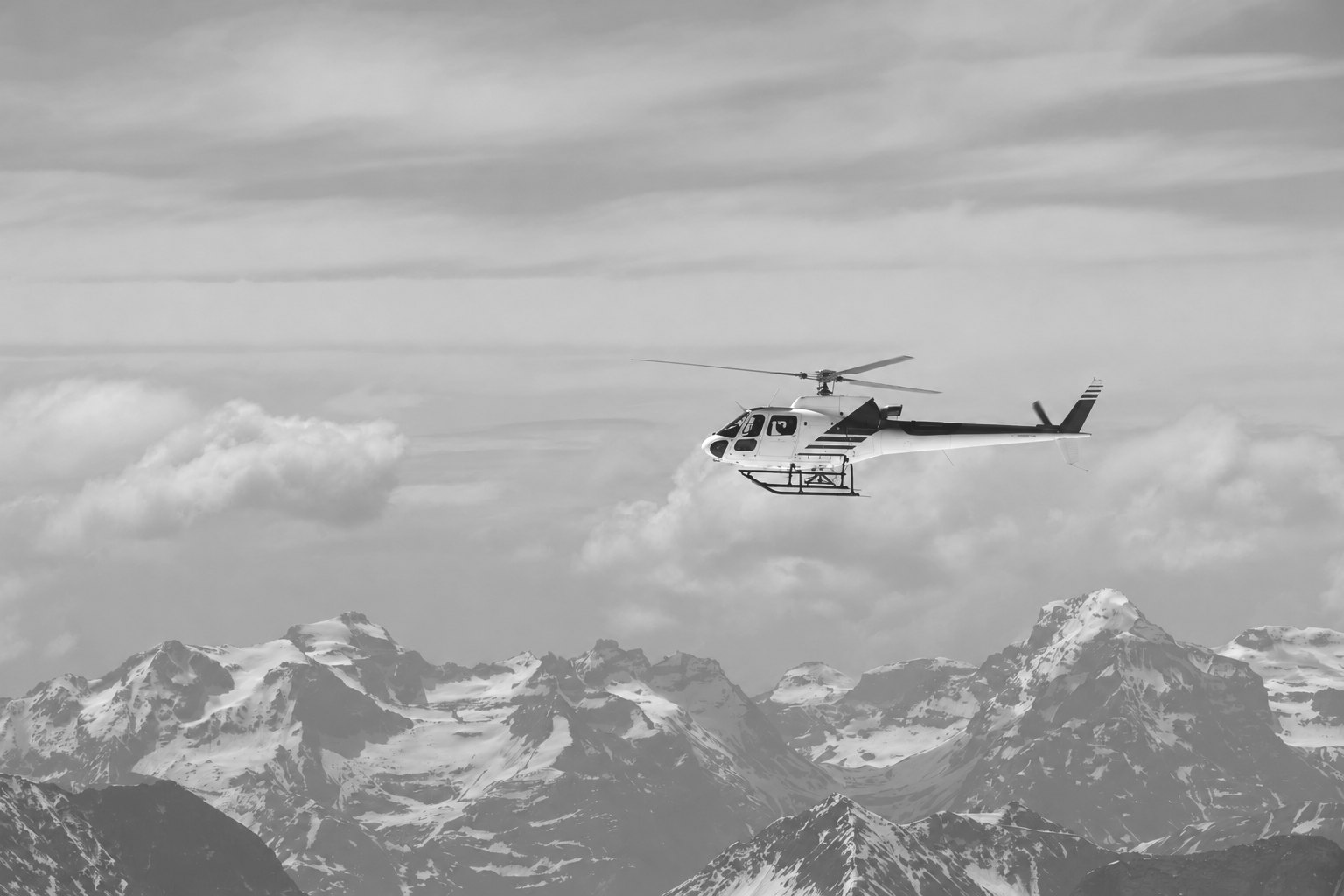
Helicopters work within the same system. Recent years have brought a temporary control zone around Davos, with its own tower. The 2026 rules for state flights barred direct helicopter arrivals from abroad at Davos heliport, required prior authorisation and Air Force accreditation, and set heliport hours of 08:00 to 22:00.
The road has its own controls. Davos has remained open to travellers during the Forum, but parts of the town have restricted access, and people, vehicles and luggage may be checked on any approach. Weather can also ground a helicopter at short notice, so a confirmed car and realistic timing should sit behind every rotor transfer.
The Oryx Perspective
Restrictions reward a complete plan.
Chartering allows the aircraft, crew and airfield to be chosen around the rules of that particular week. A plan built early can account for parking, permissions, alternates and the final transfer as a single itinerary, rather than a series of separate bookings.
Oryx Global Aviation coordinates each element and monitors official notices as they are issued. Through the wider Oryx group, ground transport and close protection can be arranged within the same plan, so the journey holds together from the first slot to the final door.
Operational details reflect published 2026 arrangements and may change for 2027. Access to Forum events is arranged separately and is subject to invitation or ticket availability.