After the Games
Cortina's first season since the Olympics
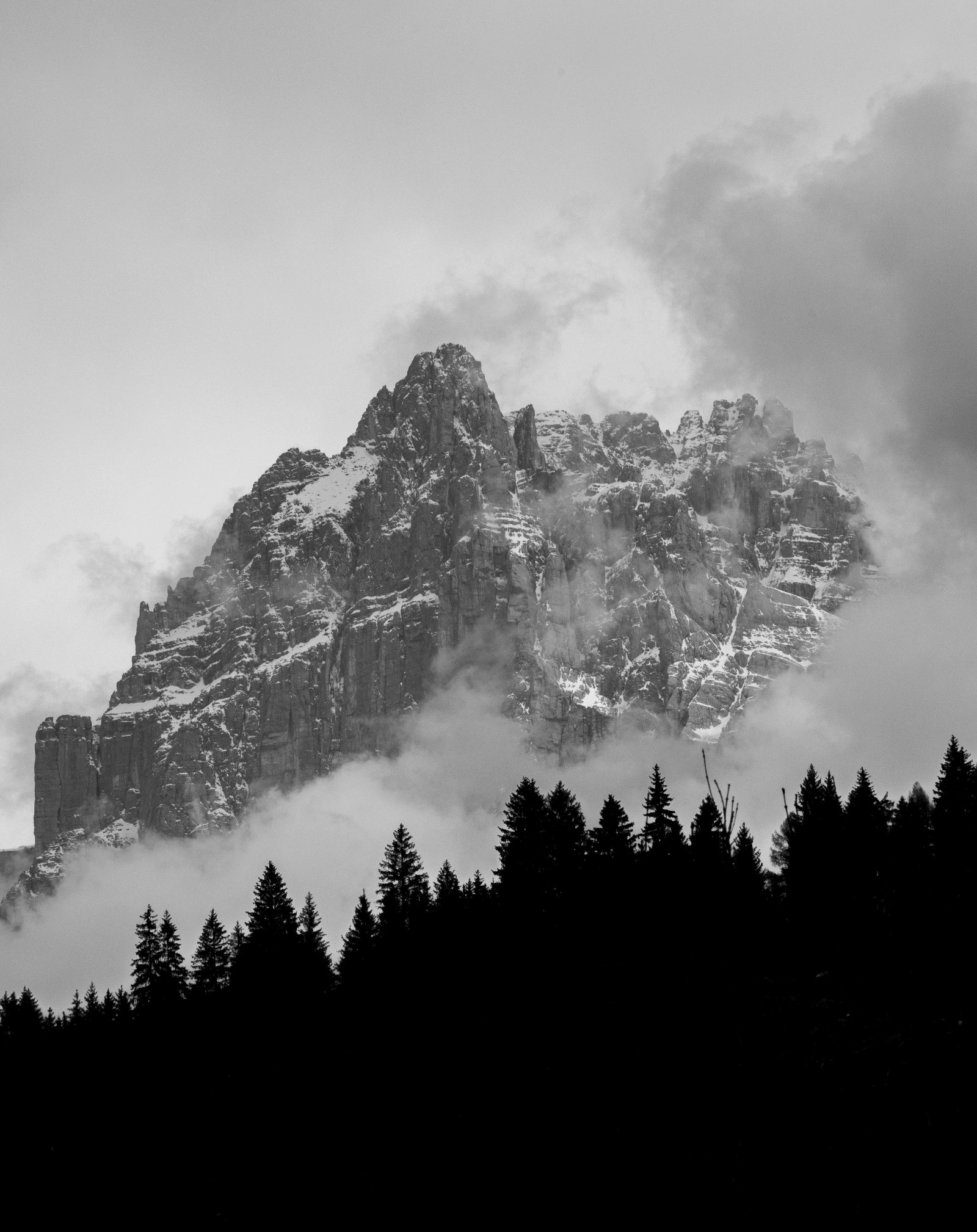
Seventy years after it first hosted the Winter Games, Cortina d'Ampezzo has hosted them again. The first winter after the Olympics is a good time to visit, and it is easiest to reach by air.
In February 2026, Cortina d'Ampezzo shared the Milano Cortina Winter Olympics with Milan. Seventy years earlier, it had made its name with the 1956 Games. The women's alpine races were held on the town's famous Olympia delle Tofane course, and the Paralympics followed in March.
This winter is Cortina's first season since the Games. The slopes and lifts have been upgraded, the town has new restaurants and renovated hotels, and the scenery that drew Europe's elite here a century ago is unchanged.
Cortina has no airport of its own. Its old airfield at Fiames closed long ago, so every arrival ends with a road or helicopter transfer. Planning that final stage well is what makes the journey easy.
The Dolomites
The Queen of the Dolomites

Cortina sits in a wide, sunny valley in the Veneto, ringed by the pale limestone peaks of the Dolomites, a UNESCO World Heritage Site.
It has been a winter destination since the late nineteenth century, and its pedestrian Corso Italia remains one of the Alps' great promenades.
The local ski area offers around 120 kilometres of pistes on lifts rising from 1,217 to 2,828 metres. Skiing is spread across three main sectors:
- Tofane: the largest, home to the Olympia delle Tofane race course.
- Faloria–Cristallo: across the valley, with views of the Olympic slopes.
- Lagazuoi and Cinque Torri: the most dramatic scenery, linked to Alta Badia.
The Cortina Skyline gondola connects Tofane with Cinque Torri. Cortina is also part of Dolomiti Superski, so one pass opens the wider Dolomites network. Cortina is usually the first resort in that network to open and the last to close. The wider Dolomiti Superski season begins on 28 November 2026, and skiing normally runs into early April.
In summer, from June to September, the same mountains draw visitors for hiking, via ferrata routes and high-altitude dining.
Olympic Legacy
The World Cup returns to the Tofane
Cortina has hosted more women's World Cup races than any other resort, and the circuit comes back in January 2027 for the first time since the Games.
The Olympia delle Tofane has been a fixture on the women's speed circuit since 1993. Its downhill runs about 2.5 kilometres with a vertical drop of roughly 750 metres, and many racers consider it the most demanding course on the women's tour.
The World Cup returns from 15 to 17 January 2027, its first visit since the Olympics. The programme is two women's downhills on the Friday and Saturday and a super-G on the Sunday. For those with an eye on the Alpine calendar, it falls the week before Kitzbühel's Hahnenkamm, so both can be combined in a single trip.
The Games also brought improvements across the valley, with upgraded courses, better transport links and a busier year-round calendar. For visitors, the result is a resort that feels both historic and newly refreshed.
Flying In
A choice of airports
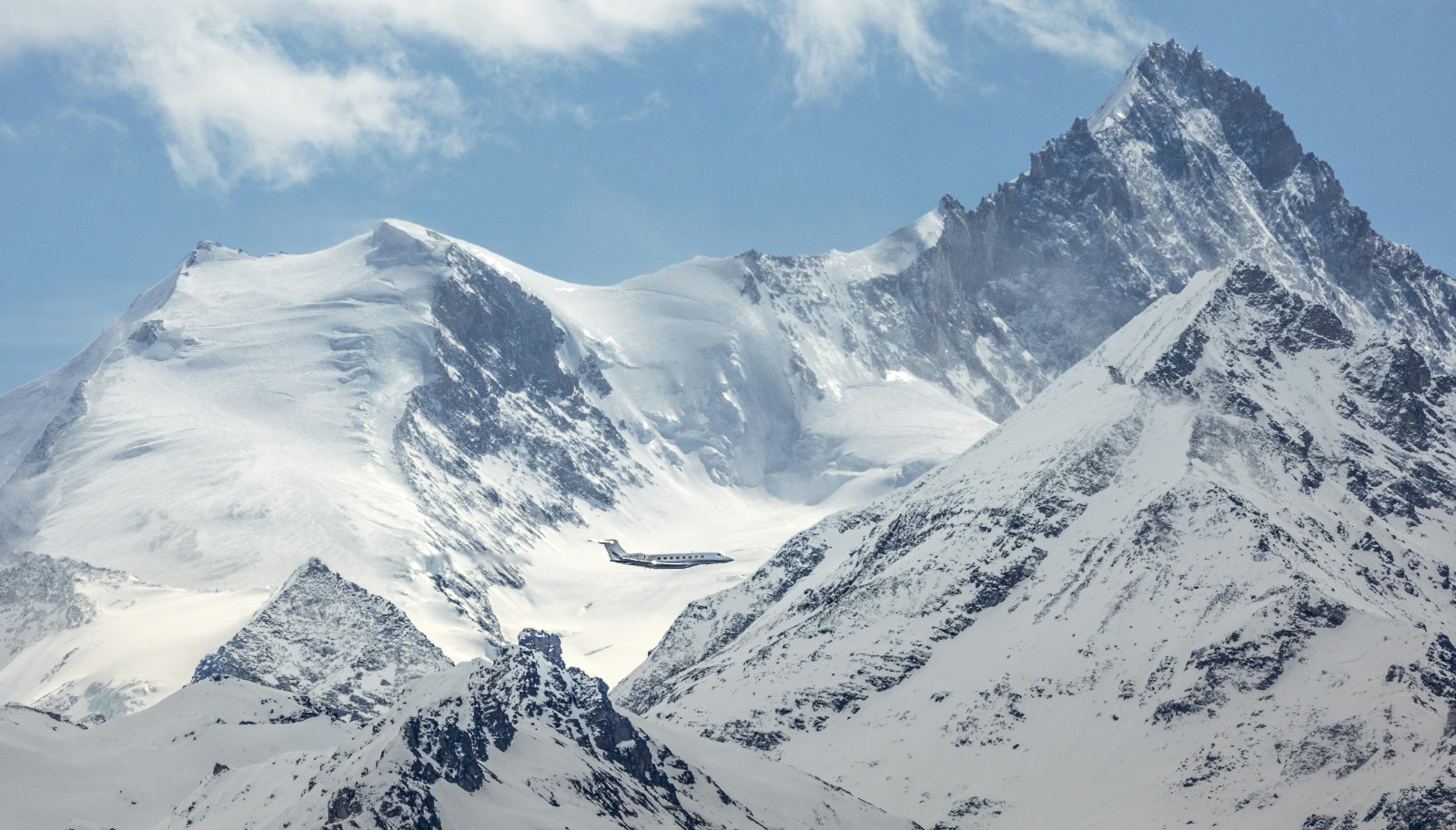
There is a choice of airports, depending on the aircraft and where the trip begins.
Venice Marco Polo (VCE)
About 150–160 km from Cortina: about 2 hours by road, about 45 minutes by helicopter. The main gateway, it handles everything from light jets to long-range aircraft and has a dedicated business aviation terminal.
Treviso (TSF)
About 130 km from Cortina: about 2 hours by road, about 35–40 minutes by helicopter. The closest jet airport, it is smaller and quieter, which suits light and midsize jets well.
Bolzano (BZO)
About 2 hours by road, or a short hop by helicopter. A convenient choice for smaller aircraft arriving from the north; its runway is short and its mountain approach is demanding, so it is not suitable for every jet.
Innsbruck (INN)
About 170 km from Cortina: 2.5 hours or more by road, about 35 minutes by helicopter. It works for travellers combining Cortina with the Austrian resorts, and for helicopter connections across the border.
Milan Linate or Malpensa
Over 400 km from Cortina: 5 hours or more by road, about 65 minutes by helicopter. The natural choice for guests already in Milan for business or fashion week; the helicopter flight to Cortina takes about an hour.
The Final Leg
By road or by helicopter
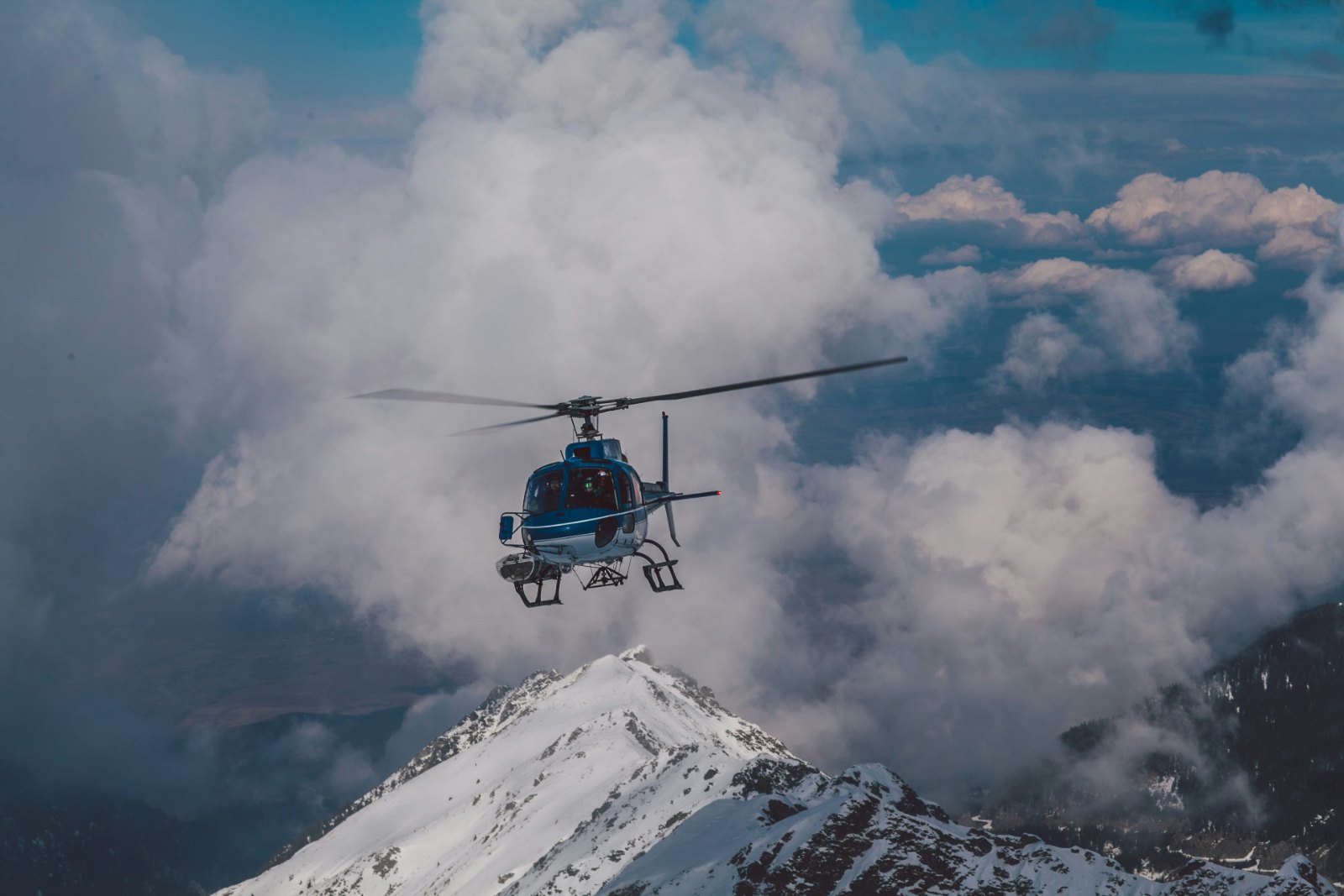
The last stretch into the valley can be driven or flown, and mountain weather has the final say.
The drive from Venice or Treviso takes about two hours, first across the Veneto plain and then up the Piave and Boite valleys. It is a scenic road, but on a busy Saturday or after heavy snow it can take much longer.
The helicopter is the faster option. Transfers land at the Fiames heliport, on the site of Cortina's former airport just north of the town, or at private helipads by arrangement. From Venice the flight takes about 45 minutes, and a chauffeur waits at the landing site for the short drive to the hotel or chalet.
Mountain weather decides whether helicopters can fly. For important dates, the World Cup weekend or Christmas week, the sensible plan is a helicopter booking with a car transfer held in reserve.
Where to Stay
Grand hotels and private chalets
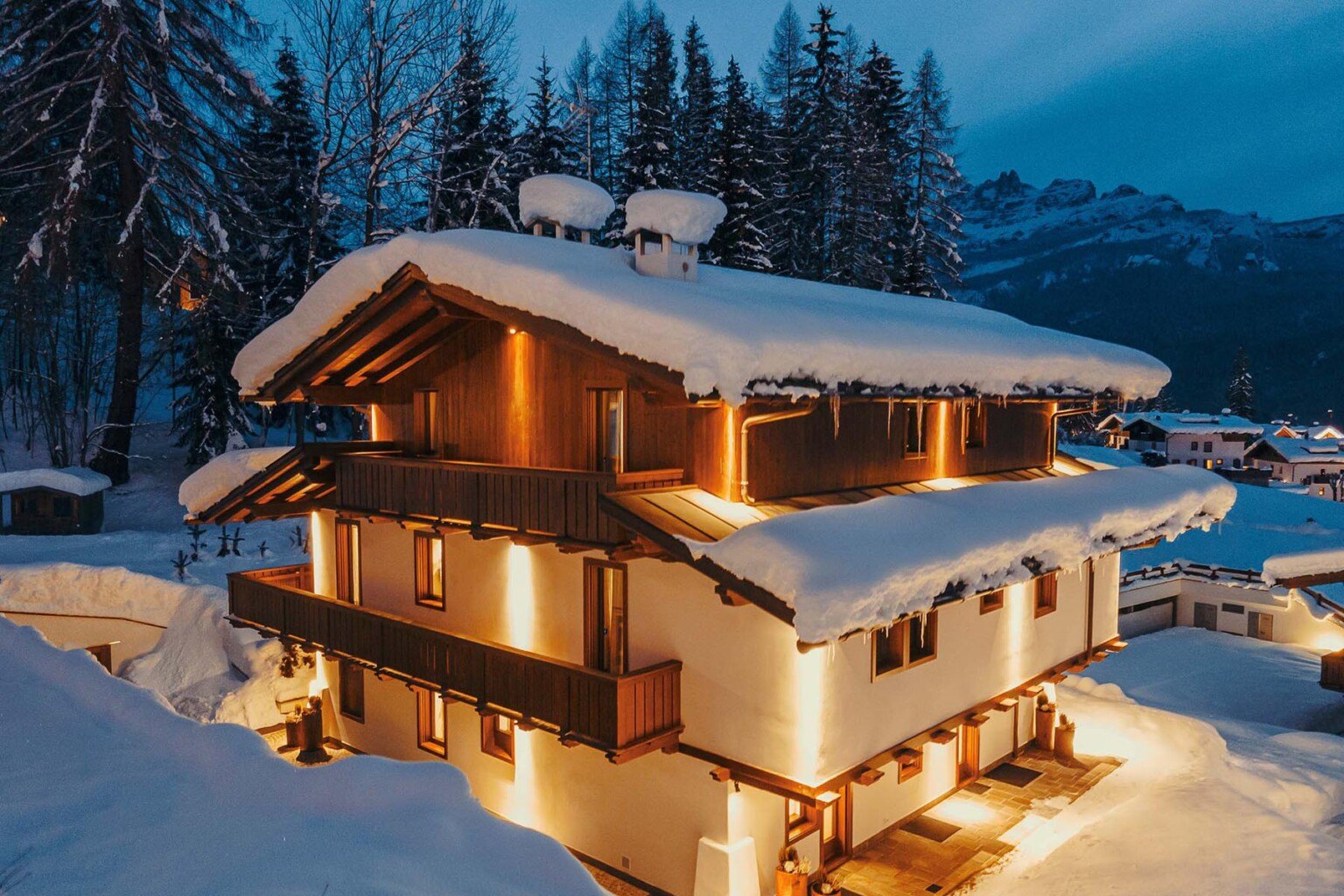
Cortina offers both grand hotels and private chalets.
Hotels. The Grand Hotel Savoia has stood near Corso Italia since 1912 and has a spa, an indoor pool and a ski concierge. Ancora Cortina, on the Corso itself, is a 38-room boutique hotel with a spa over several floors and a phone-free members' club. The Grand Hotel Ampezzo is built around a 1,000-square-metre longevity spa. Just outside the centre, in Zuel, Rosapetra and the redesigned Faloria Mountain Spa Resort offer quieter settings with large wellness areas.
Chalets. For families and groups, a staffed private chalet offers the most privacy. The best come with a private chef, butler, housekeeping and a driver on call, along with their own wellness facilities. Specialist chalet agencies can arrange the staff and the itinerary before arrival.
At the Table
From tasting menus to mountain huts
Cortina eats well, from Michelin-starred tasting menus to wood-panelled mountain huts.
- Tivoli holds a Michelin star for refined cooking with views over the valley.
- SanBrite, on the town's quieter edge, holds a Michelin star and a Green Star for its farm-to-table approach.
- Alajmo Cortina, from the Alajmo family of Le Calandre fame, occupies the historic El Toulà building and is one of the town's most glamorous tables.
- Ristorante de LEN and the newer 1224 add contemporary cooking in the centre.
At lunch, the mountain huts are as much a part of a Cortina day as the skiing. Booking ahead is essential across the board in January and February.
The Oryx Perspective
The final transfer matters as much as the flight
Cortina's beauty lies partly in its remoteness, and that is also why a trip there needs careful planning.
The right airport depends on the aircraft, the weather and the week, and the final transfer matters as much as the flight.
Oryx Global Aviation plans the whole journey: the right aircraft into Venice, Treviso or Bolzano, a helicopter to Fiames timed to the landing, and a chauffeur ready if the weather closes in. For clients combining the Dolomites with Austria or Switzerland, we can link several resorts into a single itinerary, with aircraft positioned where and when they are needed.
Whether the trip is for race weekend on the Tofane or a quiet week on the Corso, we make the arrival as smooth as the stay.
Resort, event and transfer details are correct at the time of writing and may change. Flight and transfer times are indicative.