Winter Sun
The moment winter ends
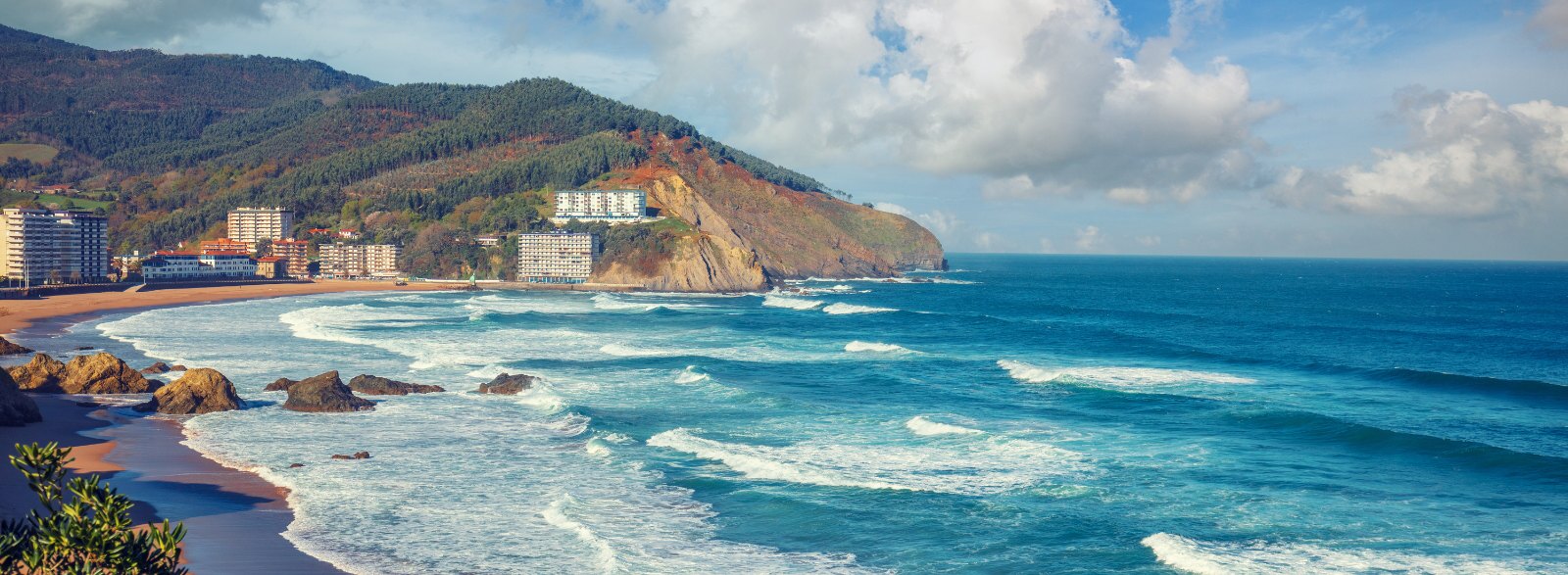
The clocks have gone back and the light is gone before tea. Winter sun has never been easier to reach by private jet, but this season brings new European border checks, a heavier UK tax bill and one deadline worth putting in the diary.
There is a moment, somewhere south of the Bay of Biscay, when the cloud breaks and the light changes. For anyone who left a grey London morning a few hours earlier, that is the moment winter ends.
The destinations themselves are rarely the hard part. The villa is booked, the table is reserved, the boat is waiting. What separates a good winter escape from a great one is everything in between: which aircraft, which airport, which runway, and how the last few miles are handled.
That is where private aviation earns its place. Not the leather and the champagne, which are taken as read, but time: hours saved at each end, departures set by you rather than a timetable, and arrival closer to where you are actually going.
Why Private
Why private matters more in winter
Even in first class, the flight is rarely the slow part. The slow part is the hub: the traffic, the security hall, the long walk to the gate and the wait at the carousel.
A private departure removes almost all of it. You arrive at a private terminal shortly before take-off, clear security and passports in a lounge, and walk to the aircraft. London is well served, with Farnborough, Biggin Hill and Luton all handling business jets, and for many in the Home Counties the drive is shorter than to Heathrow.
Winter sharpens the advantage:
- You choose the moment. If the forecast turns on Thursday, you can be somewhere warm by Friday lunch, subject to aircraft availability.
- You land closer. Business jets use airfields scheduled carriers ignore, and the right aircraft can put you minutes from the villa, the golf course or the yacht.
- Everyone and everything travels together. Children, staff, golf bags, dive kit and the dog. Pet rules vary by country and operator, so raise them early.
Oryx Global Aviation is not tied to any fleet. We source aircraft from operators worldwide, so we choose the aircraft for the trip rather than fitting the trip to the aircraft we happen to own, and we can typically turn a request into a quote ready to sign within hours.
The Short Hop
Under four hours to the sun
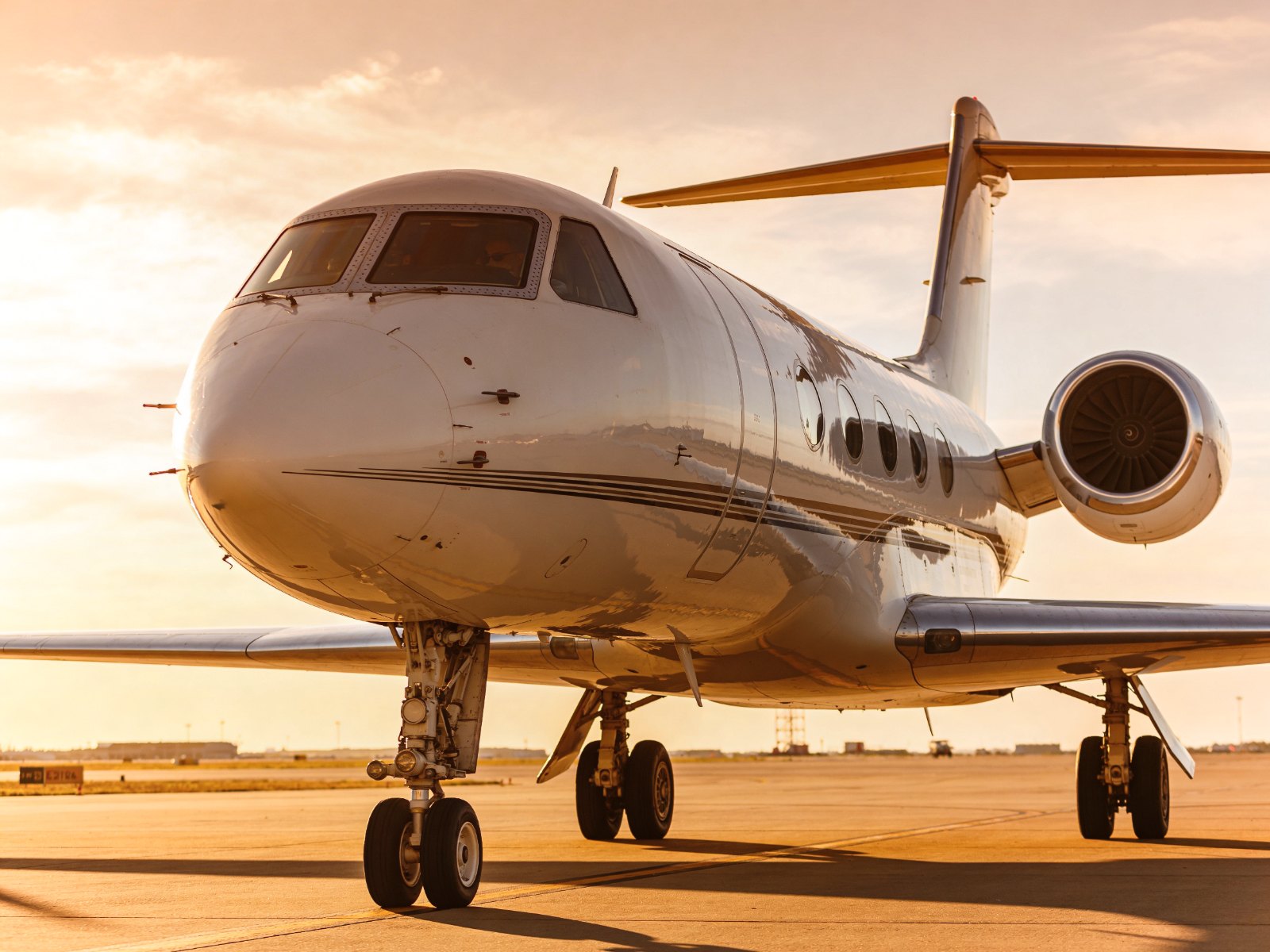
For a long weekend, the sweet spot is anywhere a light or midsize jet can reach without a fuel stop, on much the same clock as London.
Marrakech, Morocco
About 3 hours from London by private jet; January average daily high around 18 to 19°C. Marrakech is the stylish choice: a private riad or one of the city's grand palace hotels, dinner on a rooftop, the snow-capped Atlas on the horizon. It is a city escape with sunshine rather than a beach holiday. Days are bright, but nights can fall to around 5 to 7°C, and the evenings catch out anyone who packs only linen.
Madeira, Portugal
About 3.5 hours; January average daily high around 19 to 20°C. Madeira is the romantic one: subtropical gardens, cliff-top walks and the island's famous fortified wine, with a long British connection that predates modern tourism. Funchal is known for gusty approaches: its airport is among Europe's more demanding, and strong winds can delay or divert arrivals, so keep plans flexible. We raise that before you book, not after.
Tenerife (south-west), Spain
About 4 hours; January average daily high 21.1°C. Tenerife is the dependable one. The south and west are drier and sunnier than the north, and away from the busy resorts the south-west coast offers private villas, golf and the warmest reliable winter weather within four hours of London.
Middle Distance
Five to seven hours for real warmth
Beyond four hours, January highs climb into the mid-20s. This is super-midsize and large-jet territory, and it is where the UK tax bill starts to matter, because these destinations sit in APD Band B (more on that below).
Dubai
Dubai remains the benchmark. January highs average around 24°C, the sea sits at about 22°C, and its private aviation infrastructure is among the best in the world. It is peak season, so the best suites and tables go early. Allow roughly six and a half to seven hours in the air.
Oman
Oman is Dubai's quieter, more cultured neighbour. Muscat averages around 25°C in January with a sea of about 24°C, and the country rewards those who venture beyond the capital: mountain retreats, desert camps and an unhurried coastline.
Saudi Arabia's Red Sea coast
The newest name on the list. Red Sea International Airport now has a dedicated private aviation terminal run by Jetex, serving a growing collection of ultra-luxury resorts on islands and in the desert. Facilities are still developing, so it suits travellers who enjoy being early, and entry requirements should be confirmed for every passenger before departure.
Long Haul
The full escape
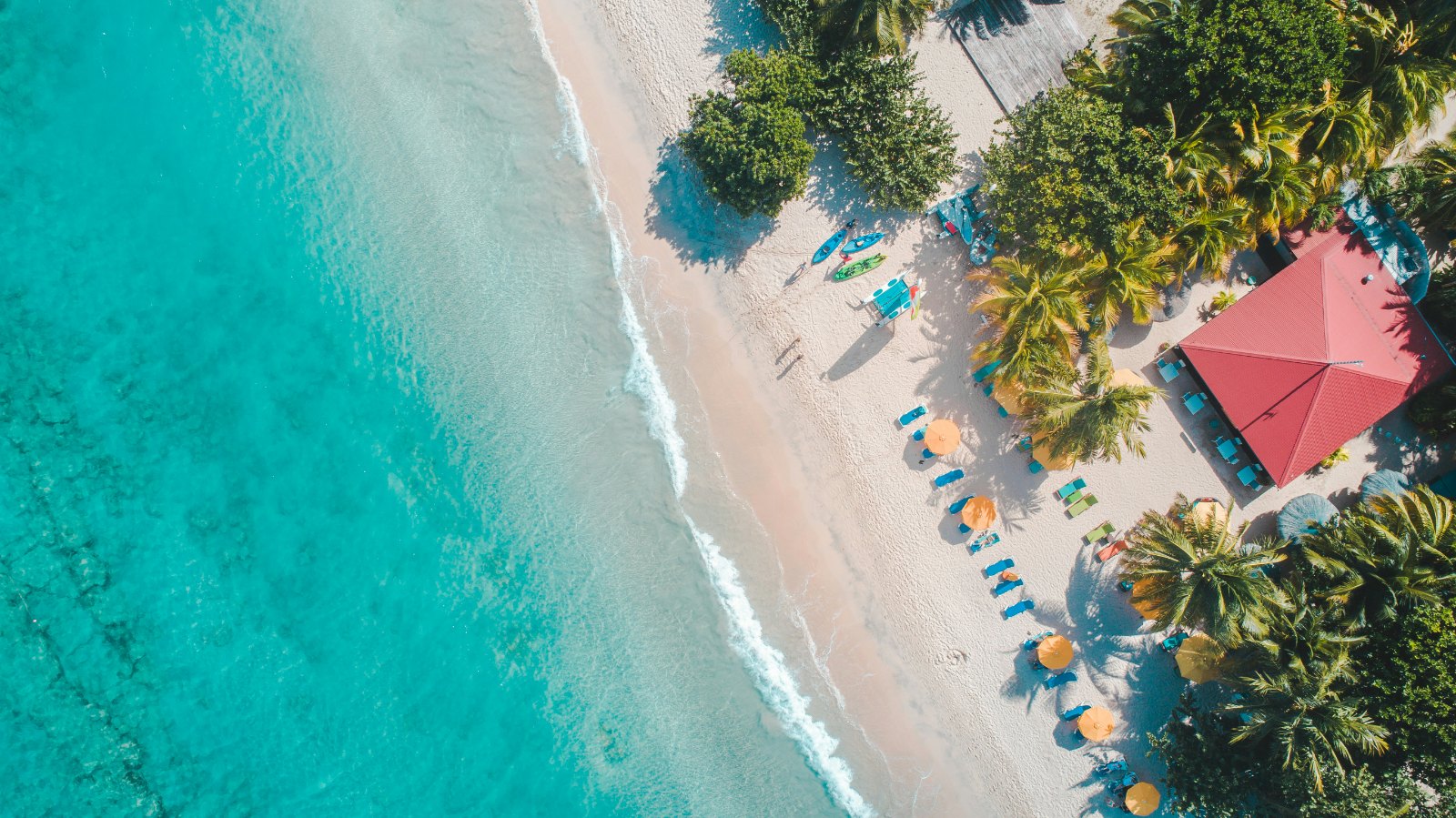
For Christmas, New Year or February half-term, the long-haul classics come into their own. They are also where the choice of aircraft, airport and onward connection matters most.
Barbados
Still the British favourite. January falls in the dry season, with average highs of about 29°C and nine hours of sunshine a day. A heavy or ultra-long-range jet flies from London nonstop in roughly eight and three-quarter to nine hours. Smaller jets cannot cross the Atlantic in one leg and will need a fuel stop.
Mustique
Reached through Barbados or a neighbouring island, because no large jet can land there. Its runway takes propeller aircraft only, has no lights and closes before sunset. Larger private jets typically fly into Barbados or nearby Canouan, which can handle most business jets, with a short turboprop hop to finish. Timing the connection before dusk is the whole game.
St Barths
St Barths works the same way. Its runway is only around 650 metres, ends at a beach, has no lights and is too short for any jet, and pilots need a special certification to land there. You fly into Princess Juliana on St Maarten, then switch to a turboprop or a helicopter for a crossing of around ten to fifteen minutes. Done well, the handover takes minutes.
The Maldives
The Maldives keeps its own timetable. Seaplanes fly in daylight only, and resorts typically ask guests to land at Malé by around 3pm to connect the same day. Plan the London departure around that window, or arrange an onward domestic flight and speedboat.
Cape Town
The clever choice for anyone who resents jet lag. It is only two hours ahead of the UK in winter, January highs average around 27°C with eleven hours of sunshine, and it barely rains. The trade-off is distance: around eleven to twelve hours nonstop, which calls for an ultra-long-range jet.
Caribbean Christmas
The hidden constraint is parking
Caribbean peak season runs from late November to mid-April, and the fortnight from Christmas to New Year is the tightest of all.
The hidden constraint is parking for business jets. Grand Cayman, for example, requires slots year-round and its parking is routinely full in December and January. Most Caribbean Community states require advance passenger information for private and charter flights, and some require charter landing permits with four to five business days' notice. For the festive period, the time to secure an aircraft, and somewhere to park it, is now.
This Winter
A tax change, and a date for the diary
Air Passenger Duty is charged per passenger on every departure from the UK, and the rules for private jets are changing. Since 1 April 2026, the higher rate paid on large private jets has risen by an additional 50 per cent on top of inflation. That rate currently applies to aircraft of 20 tonnes or more with fewer than 19 seats, which covers most heavy and ultra-long-range jets.
The more significant change comes next spring. From 1 April 2027, the government will apply the higher rate to every private jet of 5.7 tonnes or more. For the first time, that brings midsize and super-midsize jets, the workhorses of European and Gulf travel, into the top bracket. The band depends on the distance from London to the destination country's capital, not the airport you land at.
Per-passenger rates by band, for jets of 5.7 to 20 tonnes and jets of 20 tonnes or more until 31 March 2027, and for all private jets of 5.7 tonnes or more from 1 April 2027:
- Band A (Morocco, Madeira, Canaries): £32 and £142 until 31 March 2027; £146.63 from 1 April 2027.
- Band B (Dubai, Oman, Saudi Arabia, Barbados, Maldives): £244 and £1,097 until 31 March 2027; £1,132.76 from 1 April 2027.
- Band C (South Africa): £253 and £1,141 until 31 March 2027; £1,178.20 from 1 April 2027.
The rates for jets of 5.7 to 20 tonnes assume the standard rate, which applies to most business jet cabins because seat pitch exceeds 40 inches. Jets under 5.7 tonnes are outside APD altogether.
For a party of six on a midsize jet to a Band B destination, APD rises from £1,464 this winter to £6,796.56 from April. Easter 2027 falls on 28 March, so Easter departures remain under the current rules. If you already fly heavy jets, little changes. If you prefer midsize aircraft for Gulf or Atlantic trips, this is the season to go.
New European border checks
The EU's Entry/Exit System has been fully operational since 10 April 2026. British passport holders entering the Schengen area, including Madeira and the Canaries, have their face and fingerprints recorded on first entry. Private terminals manage this smoothly, but allow a few extra minutes the first time.
ETIAS, the separate pre-travel authorisation British visitors will eventually need, has not launched. The EU dropped its "last quarter of 2026" target in July and, as of mid-October, has published no new date, though it has promised several months' notice. There is nothing to apply for yet, so disregard any website offering one.
Timing
For Christmas and New Year, aircraft, crews and destination parking all run short, so the earlier the request, the wider the choice. For more flexible dates, one-way repositioning flights can occasionally be matched to your plans, though their schedules belong to someone else's charter and can change.
The Real Luxury
The real luxury is time
Private aviation sells one thing above all: hours. Hours not lost to a December security queue, a missed connection or a seaplane that left at four.
The best winter escapes are planned around them. Choose the destination for the weather you actually want. Match the aircraft to the runway and the distance, not the brochure. Settle parking, permits and the final transfer before anyone mentions the catering. And if a midsize jet to the Gulf or the Caribbean is on the cards, go before April.
Somewhere south of Biscay, the cloud will break. The aim is to get there with as much of the holiday left as possible.
To plan a winter escape, speak to Oryx Global Aviation.
Flight times are approximate private flight times from London. Temperatures are January averages. APD rates are per passenger, on UK departures only. ETIAS status is as of mid-October 2026.