Changing Symbols
From which aircraft to buy, to whether to own one at all

The largest transfer of wealth in modern history is under way, and the people inheriting it think differently about owning things. For private aviation, that could mean a quiet shift from buying aircraft to chartering them.
For most of the last half-century, owning a private jet was the ultimate statement of arrival. The aircraft on the ramp, the tail number, the crew on call: it was as much a symbol as a means of travel.
The next generation of wealthy travellers may see it differently. As trillions of dollars pass from one generation to the next, the question in private aviation is shifting from "which aircraft should I buy?" to "do I need to own one at all?"
Wealth Transfer
Younger, more international and less attached to the trappings
Tomorrow's wealth owners will not look like those who came before them, and their priorities are different too.
UBS estimates that around $83 trillion in private wealth will pass to the next generation over the coming two to three decades. Its economists expect tomorrow's wealth owners to be younger, more international and more likely to be women than at any point before.
The inheritors also bring different priorities. In UBS's 2026 Next Generation Report, they put technology, inequality and education at the top of their concerns, and more of them already invest for impact than in cryptocurrency. They are thoughtful about where their money goes, and less attached to the trappings their parents valued.
The aviation industry has noticed. Speaking recently with UBS chief economist Paul Donovan, Richard Koe, managing director of the aviation data firm WINGX, explored how this transfer could reshape demand, with younger wealthy individuals more likely to charter than to buy.
Not Owning
The aircraft fits the trip, not the other way round

Charter turns the commitment of ownership into a simple question: where do you need to be, and when?
The logic is easy to follow. Owning an aircraft is a significant commitment of capital, and the purchase price is only the beginning. Crew salaries, hangarage, insurance, maintenance programmes, management fees and tax all follow, whether the aircraft flies or not. Most aircraft also lose value over time, and the owner carries that risk.
With charter, you pay for the trips you take. The capital stays invested elsewhere. And instead of being tied to one aircraft, you choose the right one for each journey.
That last point matters more than it sounds. A family that owns a large-cabin jet uses it for a quick hop to Paris and a long-haul trip to the Caribbean alike. A charter client can take a light jet for the first and an ultra-long-range aircraft for the second, and a helicopter for the last leg into the mountains.
For a generation used to on-demand everything, from cars to homes to music, access over ownership is not a compromise. It is simply how they expect things to work.
Market Data
The numbers are already moving
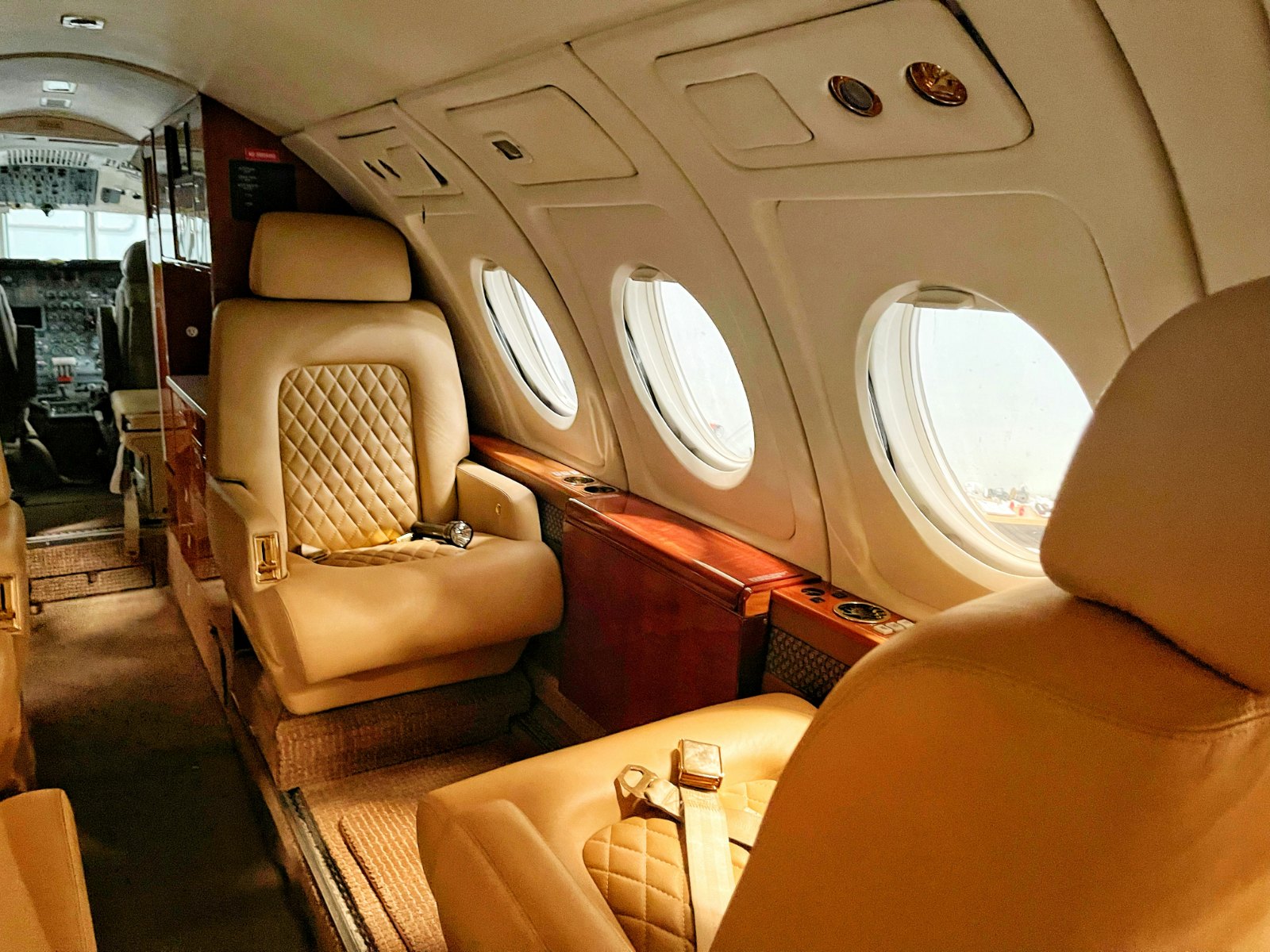
Flying is shifting away from wholly owned aircraft, while new aircraft remain hard to come by.
In the first half of 2026, fractional operators, who sell shares and flying time rather than whole aircraft, grew their flying by more than 10%, according to JETNET. Corporate flight departments, the traditional home of the wholly owned company jet, flew almost 9% less.
At the same time, the supply of aircraft is tight. Manufacturers' order books keep growing faster than they can deliver, and some of the largest programmes have paused new sales to protect existing customers. For a new buyer, getting the right aircraft can mean a long wait. For a charter client working with an independent broker, the whole market is open.
Ownership
When owning still makes sense
None of this means ownership is finished; it is simply no longer the default.
For clients who fly a great deal, own an aircraft for business reasons, or need it ready at all hours, ownership can still be the right answer. Part of our job is telling clients honestly where that line sits for them.
The next generation is more likely to start with charter, try a jet card or fractional share as their flying grows, and buy only when the numbers clearly support it. That is a sensible path, and it is one we are well placed to guide.
Our Role
Where Oryx Global Aviation fits
Whatever stage a client is at, the conversation starts in the same place: what you need, and how best to get it.
As an independent broker with no fleet of our own, we have no interest in pushing one aircraft over another. Our job is to find the right one for each trip, from across the global market, and to check the operator before we recommend them.
For clients who do want to own, our private aviation team advises on acquisition, management and resale, so the decision is made with clear eyes and good numbers. And through Oryx Black Edition, our sister concierge company, the flight becomes one part of a wider journey: the transfers, the chalet, the table and everything else, handled by one team.
Whether that is a first charter, a growing travel schedule or a decision about whether to buy, we start with your plans rather than with an aircraft.
Talk to Us
A conversation, not a sales pitch
If you are thinking about how private aviation fits your plans, or advising a family who is, we would be glad to help.
Contact our private aviation team at info@oryxglobalaviation.com or through the enquiry form, and we will come back to you quickly.
Sources: UBS Global Next Generation Report 2026, via WealthBriefing; Fortune on UBS, July 2026; AIN, 30 September 2026; JETNET Mid-2026 Market Snapshot.